Ceramic coating is one of the most effective long-term solutions for protecting a vehicle’s paint from constant exposure to traffic pollution, UV rays, rain, road salt, and environmental contaminants. It forms a durable, chemically bonded layer over the clear coat that helps preserve gloss, reduces surface damage, and makes routine maintenance significantly easier.
Unlike waxes or sealants that break down quickly, ceramic coatings are engineered for long-term performance under real driving conditions. For vehicle owners facing daily commuting, unpredictable weather, and urban road debris, it offers a practical way to maintain a vehicle’s appearance and value.
Why Ceramic Coating Is a Strong Upgrade for Modern Vehicles
Modern automotive paint systems are thinner and more environmentally regulated than older finishes, making them more vulnerable to contamination and micro-damage. Every day exposure to brake dust, acid rain, UV radiation, and airborne pollutants gradually wears down the clear coat.
Ceramic coating addresses this by creating a protective layer that bonds with the surface at a molecular level. This layer does not wash away like wax. Instead, it becomes part of the paint system, adding resistance against both chemical and environmental damage.
Real-World Benefits Drivers Notice
- Reduced buildup of road grime
- Easier removal of bug splatter and tar
- Less frequent need for deep cleaning
- Improved resistance to staining and oxidation
- Enhanced depth and clarity of paint finish
Over time, these benefits help preserve both the appearance and structural integrity of the paint system.
Ceramic Coating Compared to Traditional Paint Protection
Understanding how ceramic coating performs against wax helps clarify why it has become the preferred choice for long-term protection.
| Protection Factor | Ceramic Coating | Wax |
| Lifespan | Multi-year | Weeks to months |
| Resistance to Chemicals | High | Low |
| UV Protection | Strong | Moderate |
| Hydrophobic Effect | Long-lasting | Temporary |
| Maintenance Effort | Low | High |
| Surface Bonding | Permanent adhesion | Surface-level only |
Wax acts as a temporary cosmetic layer, while ceramic coating integrates into the paint system for long-term durability. This difference is especially important for vehicles exposed to daily driving conditions.
How Daily Driving in Busy Streets Impacts Paint Health
Even short commutes expose vehicles to constant contamination. Urban environments contain airborne pollutants, industrial fallout, and debris from surrounding traffic that gradually accumulate on the surface.
Common Contaminants Found in Traffic Conditions
- Brake dust from surrounding vehicles
- Asphalt particles and tar residue
- Oil mist and fuel emissions
- Industrial pollution and airborne metals
- Organic debris, such as bird droppings and insects
- Road grime and dust accumulation
If not properly protected, these contaminants can bond to the clear coat, leading to staining, etching, and permanent dullness.
Ceramic coating helps reduce this bonding effect, allowing contaminants to be removed more easily during routine washing.
How Weather Conditions Affect Long-Term Paint Durability
Weather exposure is one of the most aggressive factors affecting automotive paint. Vehicles that are regularly exposed to sun, rain, humidity, or winter conditions experience faster deterioration without proper protection.
Environmental Stress Factors
| Condition | Impact on Paint | Ceramic Coating Function |
| UV Radiation | Fading and oxidation | UV shielding layer |
| Heavy Rain | Water spotting | Hydrophobic repellency |
| Snow and Salt | Corrosion risk | Contaminant barrier |
| Heat Exposure | Clear coat breakdown | Thermal stability support |
| Humidity | Surface spotting | Reduced moisture adhesion |
A well-applied ceramic coating helps stabilize the surface against these conditions, reducing long-term degradation and preserving gloss.
Professional Ceramic Coating Application Process
The effectiveness of ceramic coating services in New Jersey depends heavily on how well the surface is prepared before application. A poorly prepared surface will trap imperfections under the coating, reducing both appearance and performance.
Step-by-Step Installation Workflow
1. Deep Exterior Cleaning
The vehicle undergoes a full wash to remove surface dirt, grease, and loose contaminants.
2. Chemical and Mechanical Decontamination
Iron removers, clay treatment, and tar removers are used to remove embedded particles that standard washing cannot.
3. Paint Correction Stage
This step removes swirl marks, oxidation, and surface imperfections through machine polishing. It ensures the coating is applied to a refined surface.
4. Surface Preparation
All polishing oils are removed using specialized prep solutions to ensure proper bonding.
5. Ceramic Coating Application
The coating is applied evenly in controlled sections to ensure uniform coverage and performance.
6. Curing Process
The coating is left to cure, allowing it to fully bond with the clear coat and reach maximum hardness and durability.
At Ceramic Pro NWNJ, attention to preparation is critical to the process because long-term coating performance depends on surface quality prior to application.
Key Functional Properties of Ceramic Coating
Technical Definitions Explained
Hydrophobic Surface Behavior
A water-repelling effect that causes water to bead and roll off the paint, reducing spotting and buildup.
Silicon Dioxide (SiO₂) Layer
A durable compound that forms the backbone of most ceramic coatings, contributing to hardness and chemical resistance.
Chemical Resistance Barrier
Protection against acidic contaminants, including bird droppings, road salt, and industrial pollutants.
UV Resistance Layer
Helps slow oxidation and fading caused by prolonged sun exposure.
Surface Hardness Improvement
Adds resistance to light swirl marks and wash-related micro-scratches.
Gloss Amplification
Enhances paint clarity and depth of reflection, improving visual appearance.
Why Ceramic Coating Is Popular Among Enthusiasts and Daily Drivers
Vehicle owners choose New Jersey ceramic coating for different reasons, but the core value remains the same: long-term paint preservation with reduced maintenance effort.
Practical Advantages
- Easier washing and maintenance routines
- Reduced risk of long-term staining
- Enhanced visual depth and gloss retention
- Better protection against environmental exposure
- Improved resale presentation
Drivers comparing ceramic coating in New Jersey options often prioritize durability and ease of maintenance due to year-round driving conditions and exposure to mixed weather environments.
A vehicle evaluated in Hoboken showed heavy buildup of contamination from daily commuting and street parking. After paint correction and coating, maintenance washing became noticeably faster and less frequent, with improved resistance to water spotting.
Common Misunderstandings About Ceramic Coating
Myth: Ceramic Coating Prevents All Types of Scratches
A common misconception is that ceramic coating makes paint completely immune to scratches and physical damage.
This is not accurate.
Ceramic coating improves resistance to light swirl marks and surface marring, but it does not prevent rock chips, deep scratches, or collision damage.
Accurate Expectations
| Misconception | Reality |
| Fully scratch-proof surface | Resistance to light surface damage only |
| No maintenance required | Regular washing still necessary |
| Permanent protection without care | Longevity depends on maintenance |
| Eliminates all damage | Reduces environmental wear only |
Proper understanding ensures realistic expectations and better long-term results.
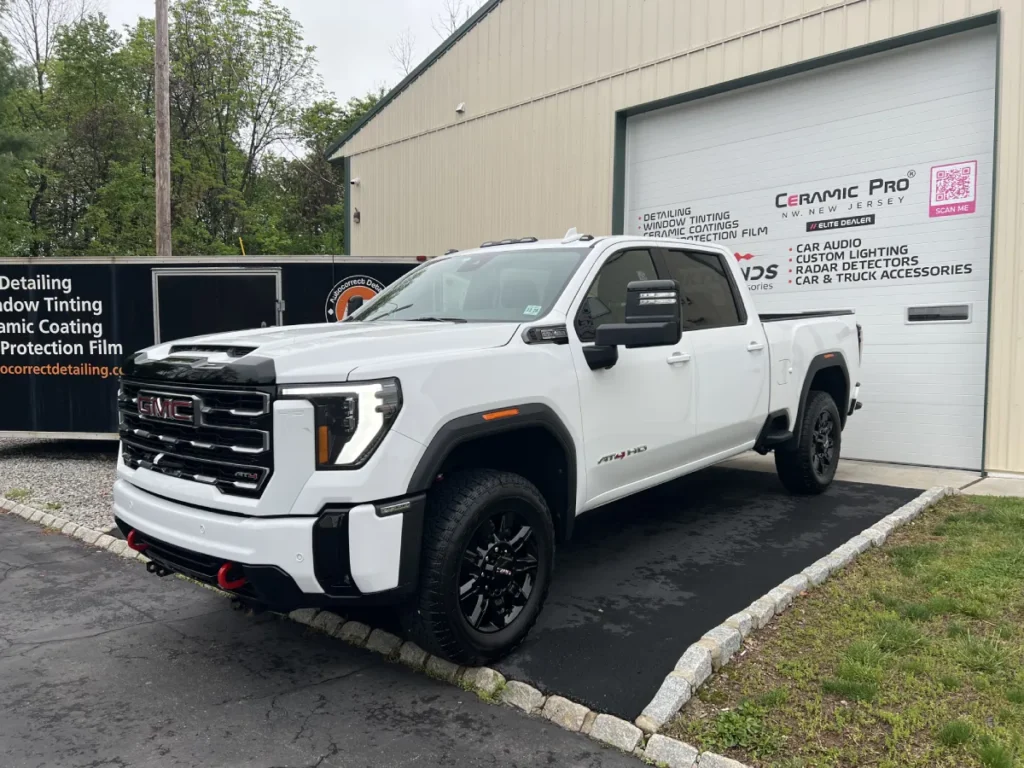
Ceramic Coating vs Paint Protection Film (PPF)
Both ceramic coating and paint protection film are effective, but they serve different protective roles.
| Feature | Ceramic Coating | Paint Protection Film |
| Gloss Enhancement | High | Moderate |
| Hydrophobic Performance | Strong | Moderate |
| Impact Resistance | Low | High |
| Scratch Resistance | Light protection | Strong protection |
| Maintenance Reduction | High | Moderate |
| Lifespan | Multi-year | Multi-year |
Many vehicle owners combine both systems for complete protection: PPF for physical impact resistance and a ceramic coating for gloss and maintenance benefits.
Signs Your Vehicle Would Benefit from Ceramic Coating
Ceramic coating is especially beneficial if your vehicle shows any of the following:
- Frequent water spotting after rain
- Noticeable paint dullness or fading
- Persistent road grime buildup
- Swirl marks from washing
- Difficulty maintaining gloss
- Exposure to outdoor parking conditions
Vehicles exposed to highway driving and seasonal weather changes tend to experience accelerated paint degradation.
A vehicle serviced near Montclair showed clear signs of oxidation and surface dullness caused by prolonged outdoor exposure. After correction and coating application, the finish regained depth and was significantly easier to maintain.
About Ceramic Pro NWNJ
Ceramic Pro NWNJ provides professional automotive detailing and advanced ceramic coating services focused on long-term vehicle protection and surface preservation. Their process includes detailed paint correction, controlled application techniques, and high-quality coating systems designed for real-world driving conditions.
The service approach prioritizes durability, clarity, and maintenance reduction, helping vehicle owners protect their investment while maintaining a clean, high-gloss finish over time.
Final Thoughts: Long-Term Protection That Pays Off
Ceramic coating remains one of the most effective ways to protect a vehicle from environmental damage, traffic contamination, and weather-related wear. Its combination of durability, hydrophobic performance, UV resistance, and gloss enhancement makes it a strong long-term solution for daily drivers and enthusiasts alike.
For vehicle owners seeking professional-grade protection and reliable application, Ceramic Pro NWNJ offers expert ceramic coating services designed to preserve paint quality, reduce maintenance effort, and extend the lifespan of automotive finishes under real-world driving conditions.
Contact us today to schedule your consultation and protect your vehicle with long-lasting, professional-grade care.
People Also Ask (FAQ)
What does ceramic coating actually do for a car?
Ceramic coating forms a semi-permanent protective layer over the clear coat that reduces contamination bonding, improves gloss, and enhances resistance to UV rays, chemicals, and water spotting. It does not replace paint protection film or make a vehicle immune to scratches, but it significantly improves long-term paint preservation and ease of maintenance.
How long does ceramic coating last in real-world use?
Durability depends on product quality, installation method, and maintenance habits. Professionally applied ceramic coatings can last several years under normal driving conditions, especially when the vehicle is hand-washed regularly and protected from harsh automated washing systems.
Is ceramic coating better than waxing?
Yes, in terms of longevity and protection. Wax provides short-term shine but breaks down quickly under heat, rain, and detergents. Ceramic coating chemically bonds with the paint surface, offering long-term hydrophobic performance, better chemical resistance, and reduced maintenance frequency.
Can ceramic coating prevent scratches and rock chips?
No. Ceramic coating offers resistance to light swirl marks and micro-marring caused by washing, but it does not stop rock chips, deep scratches, or impact damage. For stronger physical protection, paint protection film is typically used alongside ceramic coating.
Does a ceramic-coated car still need washing?
Yes. Ceramic coating reduces how strongly dirt and contaminants stick to the surface, but regular washing is still required to maintain appearance and performance. The key difference is that cleaning becomes faster, easier, and less abrasive.