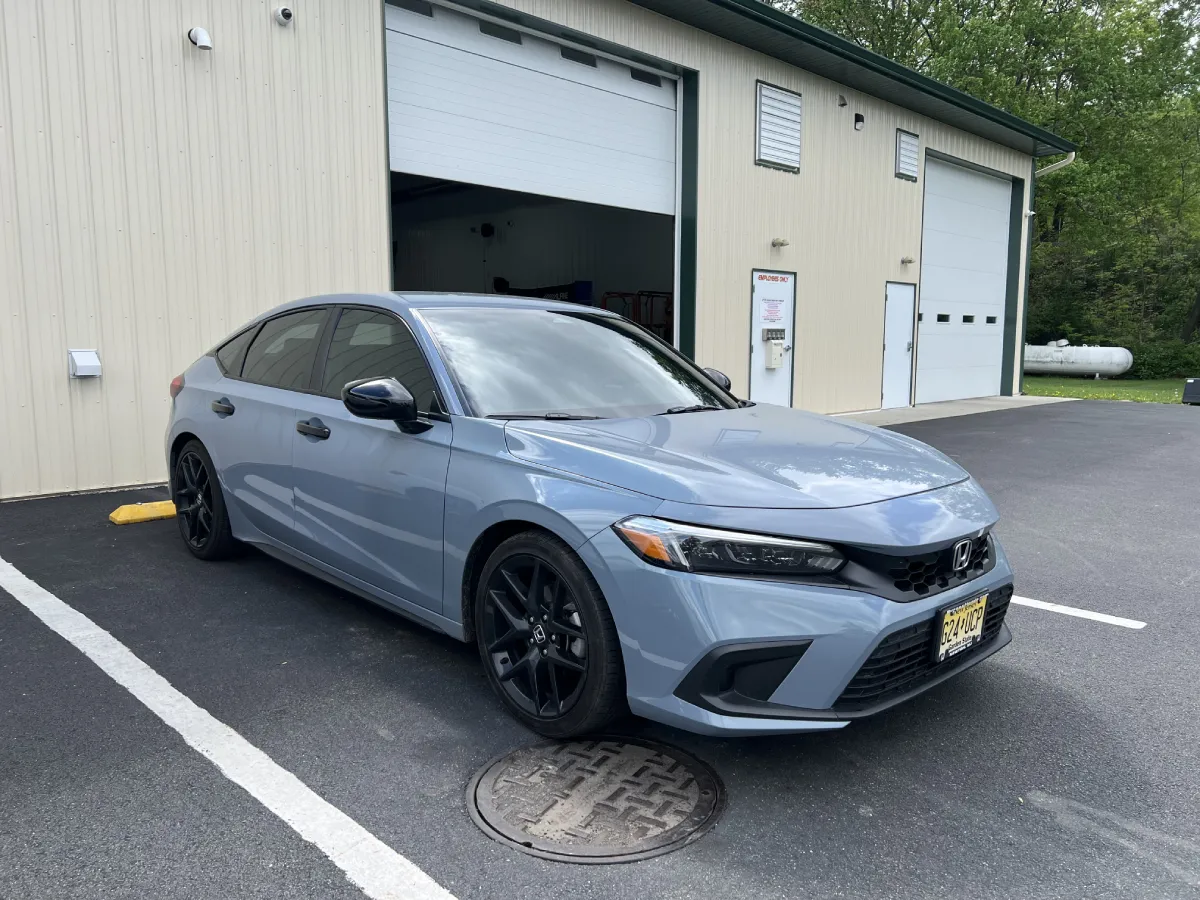
A daily-driven vehicle should generally receive professional auto detailing every three to six months, depending on mileage, driving conditions, and interior wear. Vehicles regularly exposed to road salt, heavy traffic, pets, or outdoor parking may benefit from more frequent attention. Routine washing between appointments helps control contamination and maintain the results of professional detailing.
What Is the Recommended Auto Detailing Schedule for Daily Drivers
Most daily-driven vehicles benefit from routine washing, periodic interior cleaning, and professional detailing appointments.
Ceramic Pro NWNJ recommends detailing at least once every six months, though vehicles exposed to demanding conditions may need more frequent maintenance.
A practical schedule depends on how often you drive the vehicle and how quickly contamination builds up.
Recommended Maintenance Frequency
| Vehicle Usage | Professional Detailing Frequency | Primary Focus |
| Light daily use | Every 6 months | General interior and exterior maintenance |
| Regular commuting | Every 3–6 months | Road film, interior buildup, and surface protection |
| High-mileage driving | Every 2–3 months | Frequent contamination and interior wear |
| Family vehicles with children or pets | Every 2–4 months | Upholstery, carpets, and hard-to-reach areas |
| Vehicles exposed to winter road salt | Seasonal appointments, with washing in between | Undercarriage, wheels, and exterior contamination |
| Garage-kept, lightly used vehicles | Every 6–12 months | Inspection, cleaning, and protection assessment |
These intervals are general guidelines, not mandatory service requirements.
A vehicle that stays relatively clean may need less frequent deep cleaning, while one exposed to heavy contamination may need more attention.
For drivers considering auto detailing in Hopatcong, a professional inspection can help determine which services best suit the vehicle’s condition.
Why Do Daily-Driven Vehicles Need More Frequent Detailing
Daily driving exposes vehicles to road grime, dust, moisture, and interior wear. Regular detailing helps remove buildup and maintain vehicle condition.
Road Contamination and Exterior Wear
Paint collects dirt, insects, tree sap, bird droppings, and seasonal residue. Detailing removes buildup and helps assess paint protection, though polishing isn’t always necessary.
Interior Dirt and Daily Contact
Skin oils, food crumbs, dust, and moisture accumulate on seats, carpets, and surfaces. Regular cleaning keeps the cabin comfortable and limits buildup.
Changing Weather Conditions
Rain, pollen, freezing temperatures, and road treatments affect vehicle cleanliness. Adjusting detailing frequency helps manage contamination before it becomes difficult to remove.
How Often Should You Detail a Vehicle’s Exterior
Most daily drivers benefit from professional exterior detailing every three to six months, depending on paint condition, protection, and washing habits.
What Does Exterior Detailing Include?
Exterior detailing may include:
- Hand washing and wheel cleaning
- Door jamb cleaning
- Removal of bonded contaminants
- Paint inspection and polishing when needed
- Application or maintenance of protective products
The appropriate service depends on the vehicle’s condition. Well-maintained paint may need routine cleaning, while neglected surfaces may require more extensive treatment.
Is Paint Correction Necessary Every Time?
No. Paint correction removes a small amount of clear coat to reduce visible defects. Repeated polishing without a clear need can unnecessarily thin this protective layer.
A proper detailing plan separates routine cleaning from corrective treatments.
How Often Should You Schedule Interior Auto Detailing
Interior detailing frequency depends on vehicle use and condition.
| Interior Condition | Suggested Frequency |
| Light use | Every 6 months |
| Regular commuting | Every 3–6 months |
| Frequent spills or heavy use | Every 2–3 months |
| Frequent pet transportation | Every 2–4 months |
| Visible stains or persistent odors | As needed |
Interior detailing may include vacuuming, surface cleaning, conditioning, and upholstery treatment.
Ceramic Pro NWNJ offers detailing options for lightly maintained, moderately soiled, and heavily contaminated interiors. Choosing a service based on your vehicle’s condition is more effective than following the same schedule year-round.
How Does Seasonal Weather Change Your Auto Detailing Schedule
Seasonal changes affect vehicle maintenance, making it useful to adjust detailing priorities throughout the year.
Winter: Manage Road Salt and Moisture
Regularly wash away road salt and deicing materials from wheels, underbody components, and lower panels. Professional detailing can provide more thorough cleaning and surface inspection.
Spring: Remove Winter Buildup
Remove lingering salt residue, wheel contamination, interior moisture, and pollen accumulated during colder months.
Summer: Maintain Exterior Protection
Promptly remove insect residue, tree sap, and bird droppings. Frequent sunlight exposure also makes maintaining existing paint protection important.
Fall: Prepare for Colder Conditions
Remove accumulated contaminants and assess exterior protection before winter arrives. For drivers in Hopatcong Hills, scheduling detailing around winter preparation can be more practical than following a fixed calendar.

Is Professional Auto Detailing Every Month Necessary
Monthly professional detailing is not necessary for every daily-driven vehicle.
Some owners prefer frequent maintenance appointments because they drive extensively, transport passengers regularly, or want consistently clean interiors.
However, monthly maintenance does not mean the vehicle should receive aggressive paint correction, clay treatment, or deep extraction every time.
Routine Maintenance Versus Deep Detailing
| Service | Typical Purpose | Frequency Consideration |
| Maintenance wash | Remove loose exterior contamination | Weekly or as needed |
| Interior vacuum and wipe-down | Manage everyday dust and debris | Weekly or as needed |
| Express exterior detail | Refresh cleanliness and surface protection | Based on exposure and protection condition |
| Full professional detail | Thoroughly clean selected interior and exterior areas | Commonly every 3–6 months |
| Paint correction | Reduce eligible paint imperfections | Only when justified by paint condition |
| Protective coating service | Apply specialized long-term protection | According to product requirements |
The key is distinguishing frequent cleaning from repeated corrective work.
Someone comparing Hopatcong, NJ auto detailing options should ask what each maintenance appointment includes rather than assuming every service provides the same benefits.
What Is the Biggest Misconception About Auto Detailing Frequency?
A common misconception is that cars need full detailing every month. In reality, regular maintenance and periodic professional detailing are often sufficient for well-maintained vehicles.
Ceramic coatings also don’t eliminate the need for detailing. They improve water repellency and cleaning, but dirt, mineral deposits, and other contaminants can still accumulate.
The best detailing schedule depends on the vehicle’s condition, usage, and maintenance needs.
How Do You Know Your Vehicle Needs Detailing Sooner
A calendar helps, but visible signs can indicate a vehicle needs attention before its next scheduled appointment.
Look for:
- Persistent exterior roughness: Bonded contamination may remain after washing.
- Noticeable interior odors: Dirt, spills, or moisture may require additional cleaning.
- Stained upholstery: Treating spills promptly may prevent more difficult cleaning later.
- Dull or contaminated wheels: Brake dust and road residue may need careful removal.
- Reduced water repellency: Existing paint protection may need inspection or maintenance.
- Accumulated debris: Carpets, seams, and storage compartments may contain material missed during routine cleaning.
Not every warning sign requires a complete detail.
Sometimes targeted interior treatment or an exterior maintenance service is sufficient.
The appropriate response depends on identifying what needs attention.
How Can You Maintain Your Vehicle Between Detailing Appointments
Professional auto detailing in Hopatcong, NJ provides a thorough starting point, but everyday maintenance helps preserve the results.
A simple routine can prevent unnecessary buildup.
Weekly Maintenance
- Remove trash and loose interior debris.
- Vacuum high-traffic floor areas when necessary.
- Wash the exterior using appropriate methods.
- Remove bird droppings and insect residue promptly.
- Inspect wheels and lower body panels.
Monthly Maintenance
- Examine exterior surfaces for persistent contamination.
- Clean interior touchpoints using compatible products.
- Inspect floor mats and upholstery.
- Check the appearance of existing paint protection.
Seasonal Maintenance
- Schedule professional detailing based on vehicle condition.
- Address accumulated road salt and seasonal contamination.
- Review protective coating maintenance requirements.
- Assess whether interior deep cleaning is necessary.
Keep Your Daily Driver Looking Its Best With Professional Auto Detailing
Most daily-driven vehicles benefit from professional detailing every three to six months, supported by regular washing and interior maintenance. The ideal frequency depends on how you use the vehicle, where you park it, and the condition of its surfaces.
Ceramic Pro NWNJ provides exterior detailing, interior detailing, paint correction, and protective coating services for vehicle owners who value appearance and long-term maintenance.
Whether your vehicle needs a maintenance refresh or more involved professional care, choosing the right service can help preserve its condition without unnecessary treatments.
Looking for professional auto detailing in Hopatcong? Contact us to discuss your vehicle’s condition, review available detailing packages, and schedule a consultation.
People Also Ask
Is Detailing a Car Twice a Year Enough?
Yes, for many well-maintained vehicles. Heavy use, pets, children, and environmental contamination may require more frequent detailing.
Can You Detail a Car Too Often?
Routine cleaning is generally fine with proper techniques. Excessive polishing, aggressive decontamination, and repeated chemical treatments can cause unnecessary wear.
How Long Does a Professional Auto Detail Last?
Results vary with driving conditions, parking, weather, and maintenance. Cleanliness may last weeks, while protective products can last longer depending on manufacturer specifications.
Should You Detail Your Car Before or After Winter?
Both are beneficial. Before winter, detailing prepares surfaces for road exposure. After winter, cleaning removes accumulated salt, dirt, and seasonal contaminants.