Paint protection film is essential because it provides a durable, transparent physical barrier that protects automotive paint from rock chips, scratches, UV degradation, and environmental contaminants. It works by absorbing and dispersing impact energy before it reaches the factory clear coat.
Unlike waxes or ceramic coatings, which primarily improve surface appearance or chemical resistance, paint protection film delivers actual impact protection. This makes it the most complete solution for preserving long-term paint condition, appearance, and resale value.
What Paint Protection Film Actually Does (Technical Breakdown)
Paint protection film (PPF) is a multi-layer thermoplastic urethane material engineered specifically for automotive surface protection. It is designed to serve as a sacrificial layer, meaning it takes damage instead of the underlying paint.
How it works at a physical level:
When road debris such as gravel or sand strikes a vehicle at speed, the energy must go somewhere. Without protection, that energy transfers directly into the clear coat, causing chips or scratches.
PPF interrupts this process by:
- Absorbing kinetic energy through its elastomeric structure
- Spreading impact force laterally across the film surface
- Preventing direct contact with the paint layer
Core structural layers:
- Top coat layer: Provides gloss retention, stain resistance, and self-healing properties
- Polyurethane core: Acts as the primary impact-absorbing structure
- Adhesive layer: Engineered for long-term bonding without damaging OEM paint
This engineered system enables PPF to perform in real-world driving environments where traditional coatings fail.
Why Paint Protection Film Outperforms Other Protection Systems
Many vehicle owners compare protection options without understanding the functional differences between them. Each system solves a different problem.
| Protection System | Primary Purpose | Impact Protection | Longevity | Real Limitation |
| Paint Protection Film | Physical damage prevention | High | 5–10 years | Higher initial cost |
| Ceramic Coating | Chemical resistance + gloss | Low | 2–5 years | No chip resistance |
| Wax / Sealant | Temporary shine | None | Weeks | Requires constant reapplication |
PPF remains the only system specifically engineered to prevent physical paint damage from occurring in the first place.
Real-World Driving Benefits (Experience-Based Performance)
The value of paint protection film in New Jersey is most evident in real-world driving conditions rather than in controlled environments.
Highway driving protection
High-speed driving exposes vehicles to gravel, asphalt particles, and road debris. These impacts often cause permanent damage within seconds. PPF absorbs these impacts, significantly reducing visible chipping on high-impact areas like bumpers and hoods.
Urban traffic exposure
City environments introduce constant micro-risk factors:
- Tight parking spaces
- Door-to-door contact risk
- Low-speed bumper abrasion
- Frequent washing cycles
PPF acts as a protective buffer that reduces long-term surface wear.
Environmental protection
Automotive paint is constantly exposed to:
- UV radiation
- Acid rain
- Bird droppings
- Industrial fallout
Over time, these elements degrade clear coat integrity. High-quality PPF reduces this exposure significantly.
Maintenance advantages
Modern films include hydrophobic top layers that:
- Reduce dirt adhesion
- Minimize swirl marks during washing
- Improve cleaning efficiency
This helps maintain a cleaner appearance with less aggressive maintenance.
Coverage Options Based on Risk Exposure
Paint protection film is not a one-size-fits-all solution. Coverage is typically customized based on usage patterns and exposure levels.
Front-end protection packages
The most common entry-level configuration includes:
- Front bumper
- Hood leading edge
- Side mirrors
- Front fenders
This protects the highest-impact zones from road debris.
High-contact zone protection
Focused on areas prone to physical interaction:
- Door edges
- Handle cups
- Rear bumper loading zone
These areas often show wear first in daily use.
Full-vehicle protection
A complete wrap provides:
- Uniform paint aging across all panels
- Maximum resale value preservation
- Long-term aesthetic consistency
This is typically used for high-value or long-term ownership vehicles.
Paint Protection Film vs Repainting and Cosmetic Repair Costs
One of the most overlooked aspects of New Jersey paint protection film is its role in reducing long-term dependence on cosmetic repairs.
When paint damage occurs, such as rock chips, scratches, or scuffs, the typical repair process involves spot painting, panel resprays, or full refinishing. These repairs introduce several long-term limitations that are often not immediately considered.
Key disadvantages of repainting include:
- Difficulty achieving perfect color match with factory paint
- Reduced resale value due to non-original finish concerns
- Variation in texture and clear coat thickness compared to OEM standards
- Potential blending lines on adjacent panels
In contrast, paint protection film preserves the original factory finish by preventing damage before it occurs. This eliminates the need for corrective refinishing in many cases, particularly in high-impact areas such as front bumpers and hoods.
From a cost perspective, PPF should be evaluated as a long-term mitigation strategy rather than a short-term cosmetic expense. Over the lifespan of a vehicle, preventing even minor paint repairs can offset a significant portion of installation cost, especially on newer or higher-value vehicles.
For owners focused on maintaining factory originality and minimizing future bodywork needs, PPF in New Jersey offers a structural alternative to reactive paint-repair cycles.
Specifications and Performance Features
Film Thickness (6–10 mil range): Thicker films generally offer greater resistance to impacts and abrasion while remaining flexible enough for proper installation.
Self-Healing Technology: A heat-activated polymer layer helps minor scratches and swirl marks disappear when exposed to sunlight or warm water.
Hydrophobic Top Coat: This feature reduces surface tension, allowing water, dirt, and other contaminants to bead up and slide off more easily.
Optical Clarity Engineering: Designed to keep the film virtually invisible while preserving the vehicle’s original paint color, clarity, and gloss.
Installation Quality: The Most Critical Success Factor
Even premium-grade film will fail prematurely if installed incorrectly. Installation quality is often more important than the material itself.
Key installation requirements:
- Full decontamination of paint surfaces
- Machine or hand paint correction prior to installation
- Dust-free controlled environment
- Precision edge wrapping techniques
- Post-install curing and inspection
Industry insight:
The majority of premature PPF failures are caused by:
- Trapped contaminants under film
- Poor edge sealing
- Improper surface preparation
Not product defects.
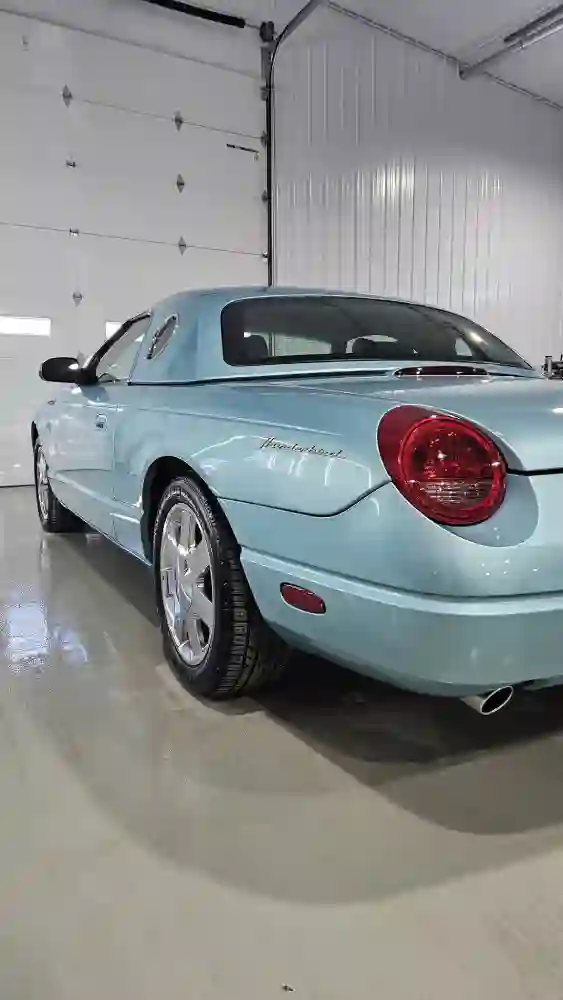
Applying Our ClearShield Method to Solve This
The ClearShield Method is a structured installation system designed to ensure consistent, high-performance outcomes across every vehicle.
Step 1: Surface Preparation
Every vehicle undergoes deep cleaning and paint correction to eliminate contamination and defects that could compromise adhesion.
Step 2: Precision Film Alignment
The film is mapped to the OEM panel geometry to ensure seamless integration and visual invisibility.
Step 3: Controlled Installation Environment
Installation is performed in a controlled, dust-minimized environment to prevent contamination during application.
Step 4: Final Quality Assurance
Each installation is inspected for:
- Edge adhesion integrity
- Optical clarity consistency
- Film tension and alignment accuracy
This system ensures long-term durability and performance consistency across all installations.
Misconceptions About Paint Protection Film
Myth 1: PPF is only for luxury vehicles
This is incorrect. Daily-driven vehicles often benefit more because they are exposed to road debris and environmental wear more often.
Myth 2: PPF damages paint during removal
When installed and removed properly within its lifespan, PPF does not damage OEM paint. Issues typically occur from poor installation practices or excessive aging beyond recommended service life.
Myth 3: Ceramic coatings replace PPF
Ceramic coatings improve gloss and chemical resistance but do not provide meaningful impact protection. They complement PPF rather than replace it.
Real-World Environmental Impact on Paint
Driving environment significantly affects paint degradation rates.
Vehicles in dense commuter zones such as Hoboken are frequently exposed to highway debris, resulting in increased front-end wear over time.
In tighter residential areas like Jersey City Heights, limited parking space increases the risk of door-edge impacts and bumper scuffs.
In suburban, sun-exposed environments such as Montclair, long-term UV exposure contributes to gradual fading and oxidation in the absence of a protective film.
These conditions demonstrate how the environment directly influences paint durability outcomes.
About Ceramic Pro NWNJ & Auto Correct Detailing
Ceramic Pro NWNJ, operating through Auto Correct Detailing, specializes in advanced automotive surface protection systems designed for long-term preservation rather than short-term cosmetic enhancement.
Our installation philosophy includes:
- Precision paint correction before film application
- Professional-grade paint protection film systems
- Controlled, contamination-free installation environments
- Multi-stage inspection and verification processes
- Long-term durability-focused protection strategies
We focus on delivering consistent, real-world performance for drivers seeking reliable paint protection film solutions that preserve factory-finish integrity over time.
In Summary
Paint protection film is the most effective long-term solution for preserving automotive paint. It provides a durable barrier against rock chips, scratches, road debris, UV exposure, and environmental contaminants while maintaining the vehicle’s original finish and appearance. For owners seeking maximum protection and lasting value, PPF is an essential investment. At Ceramic Pro NWNJ, we specialize in professional PPF installations designed to keep your vehicle protected and looking its best for years to come.
Ready to keep your vehicle looking its best for years to come? Contact us today to explore our premium PPF solutions and schedule a professional installation.
FAQ
What is paint protection film used for?
It protects automotive paint from physical damage such as rock chips, scratches, and environmental contaminants.
How long does paint protection film last?
Typically between 5 and 10 years depending on quality and maintenance.
Does PPF change how a car looks?
No. It is optically clear and designed to be visually invisible.
Can PPF be installed on older vehicles?
Yes, but paint correction is required before installation.
Is maintenance required after installation?
Yes, regular washing helps maintain clarity and longevity.