How to Determine Whether a Ceramic Coating Maintenance Treatment Is Necessary
A ceramic coating maintenance treatment may be necessary when your vehicle loses water repellency, becomes harder to clean, or develops stubborn contamination that regular washing cannot remove. However, reduced water beading does not always mean the coating has failed. A thorough wash and professional inspection
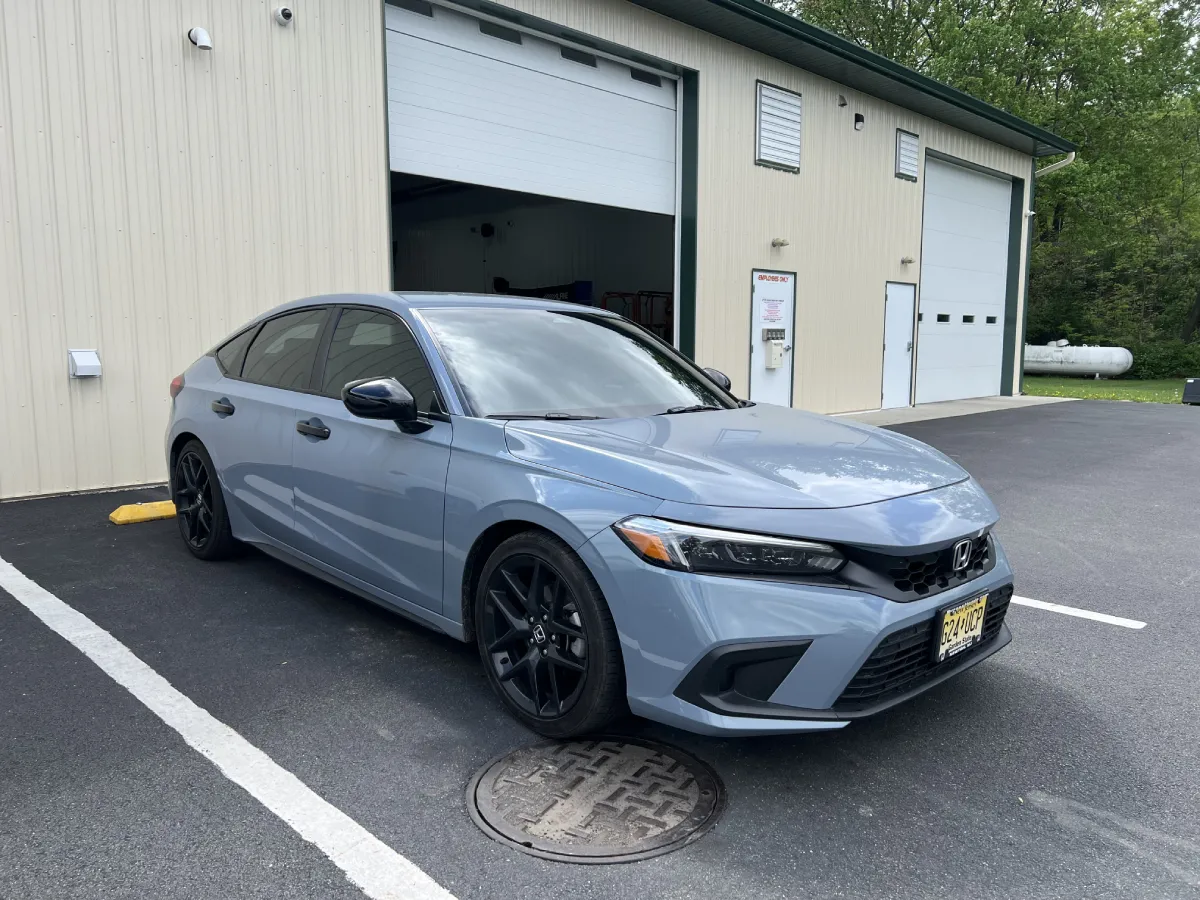
How Often Should a Daily-Driven Vehicle Receive Professional Auto Detailing
A daily-driven vehicle should generally receive professional auto detailing every three to six months, depending on mileage, driving conditions, and interior wear. Vehicles regularly exposed to road salt, heavy traffic, pets, or outdoor parking may benefit from more frequent attention. Routine washing between appointments helps
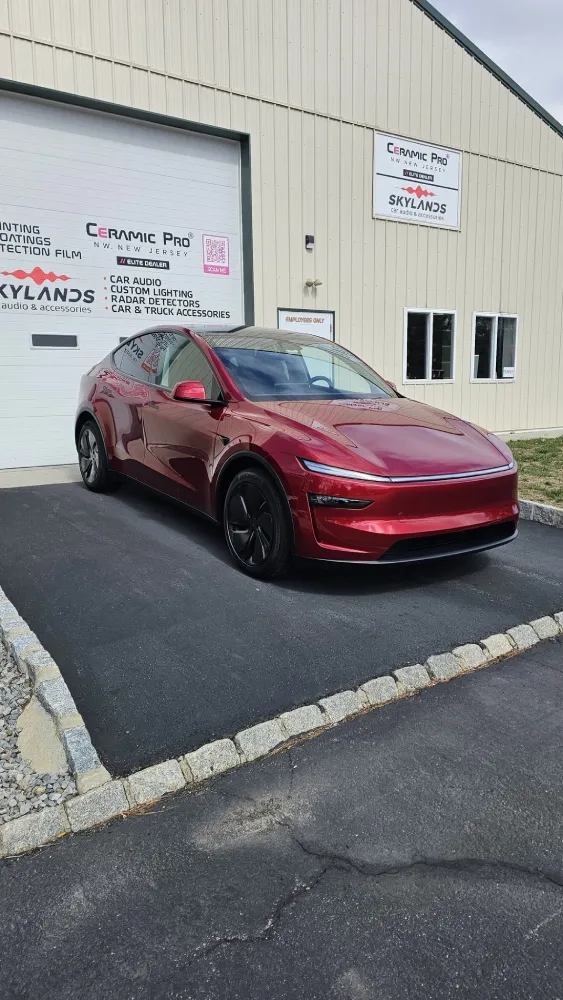
How Automotive Window Tint Works Without Blocking Visible Light Completely
Automotive window tint selectively filters sunlight, allowing visible light to pass through while reducing heat, glare, and UV exposure. Quality films help maintain clear visibility and a more comfortable driving experience without completely blocking natural light. How Does Window Tint Control Light Without Making Windows

Can Motorcycle Detailing Remove Oxidation From Metal Components
Motorcycle detailing can remove some oxidation from metal components when the corrosion is primarily superficial and the affected surface can be safely cleaned and polished. However, detailing cannot restore metal that has been deeply corroded, pitted, or structurally compromised. The appropriate treatment depends on the
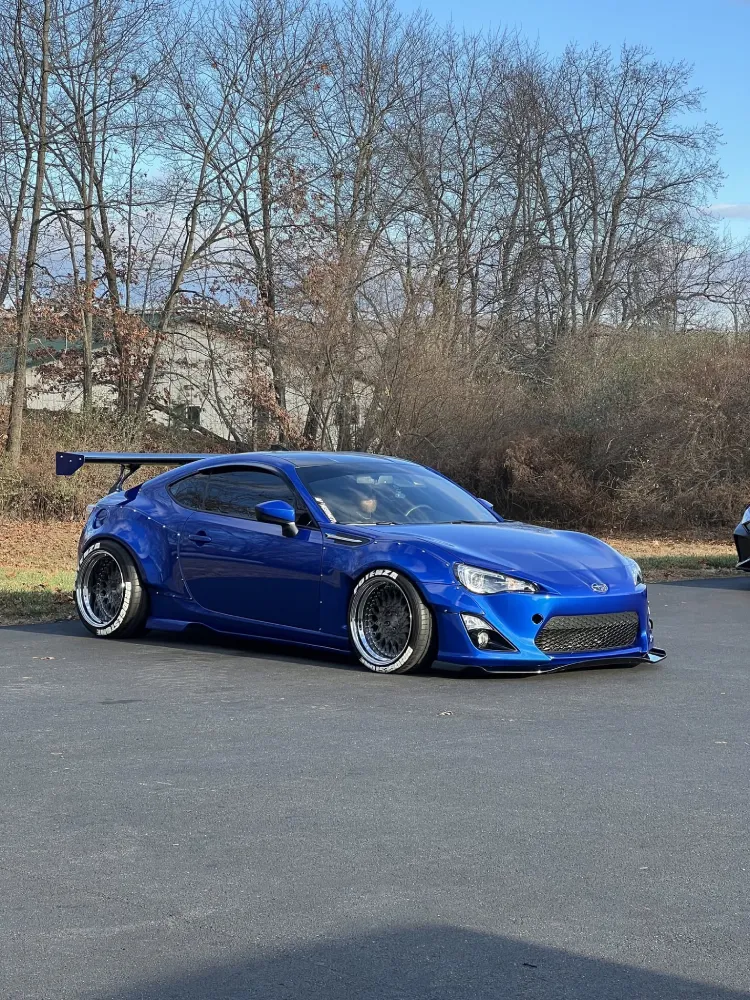
Why Does Paint Protection Film Turn Yellow Over Time
Paint protection film can turn yellow over time due to UV exposure, film chemistry, adhesive degradation, or surface contamination. Modern high-quality films are formulated to resist yellowing, so premature discoloration is not inevitable and can often point to film quality, age, exposure, or maintenance. What
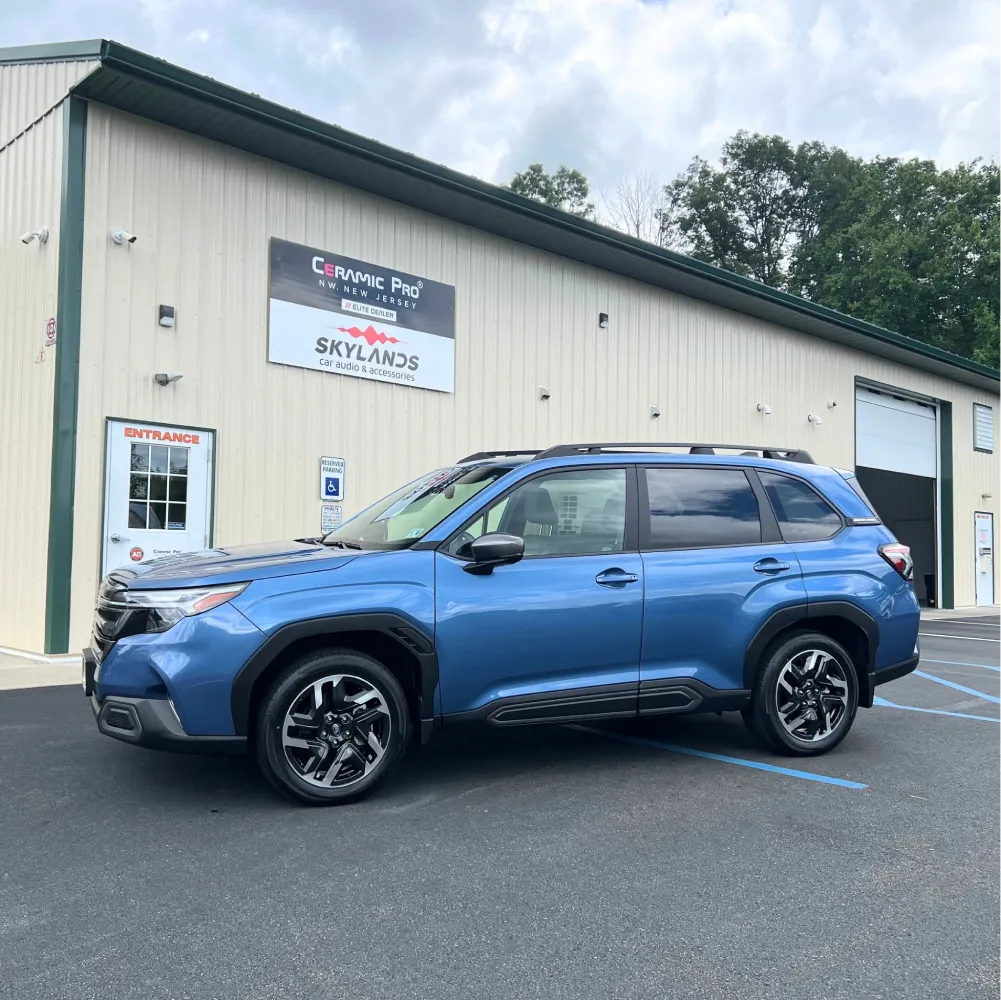
What Is The Cost Impact Of Reapplying Ceramic Coating To A Single Fender
Reapplying ceramic coating to a single fender is usually less extensive than recoating an entire vehicle, but the cost depends on the panel’s condition, preparation requirements, coating product, and labor. If the rest of the vehicle’s coating remains in good condition, treating only the affected
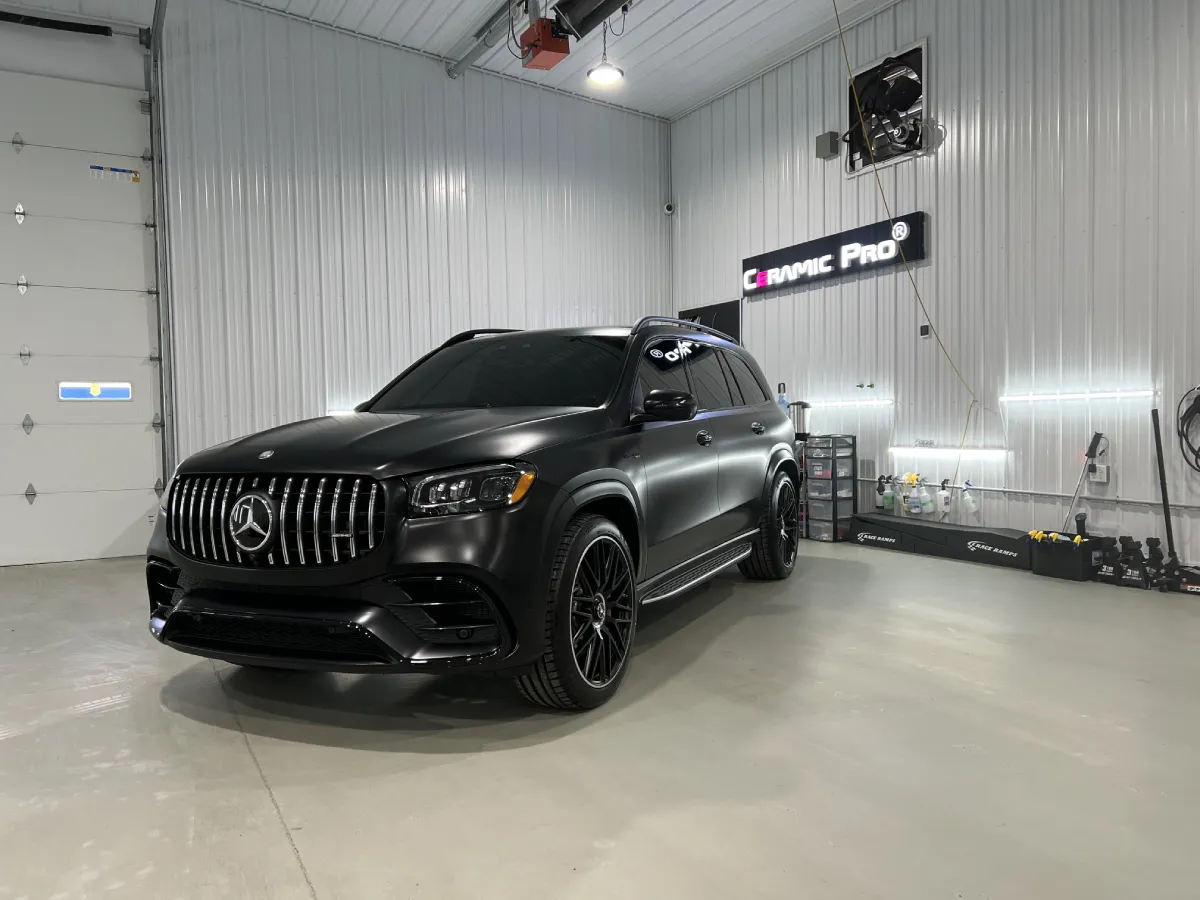
Does Paint Protection Film Hide Existing Paint Imperfections
Paint protection film is designed to protect your vehicle’s paint, not repair existing damage. While it may make very light swirl marks or minor surface haze slightly less noticeable, PPF does not hide deep scratches, rock chips, oxidation, or peeling clear coat. For the best
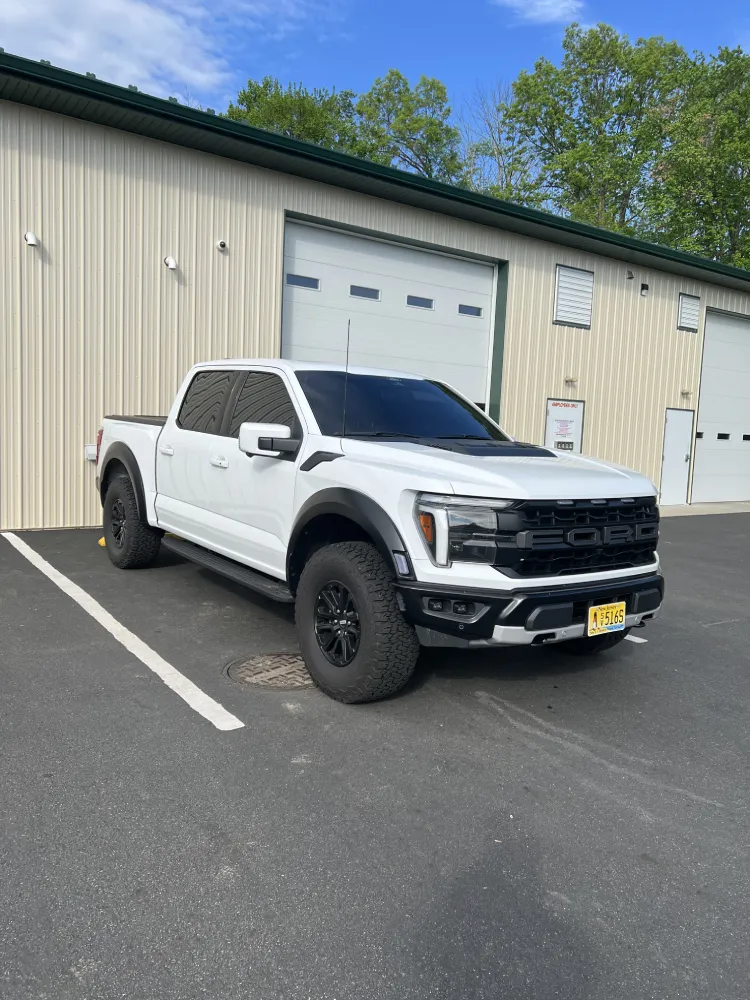
Why Does Professional Window Tint Installation Last Longer
Professional window tint installation lasts longer because it combines premium window films, meticulous glass preparation, precision installation techniques, and proper curing procedures. When installed by experienced professionals, it is less likely to develop bubbles, peeling, fading, or edge lifting, providing reliable performance and a clean
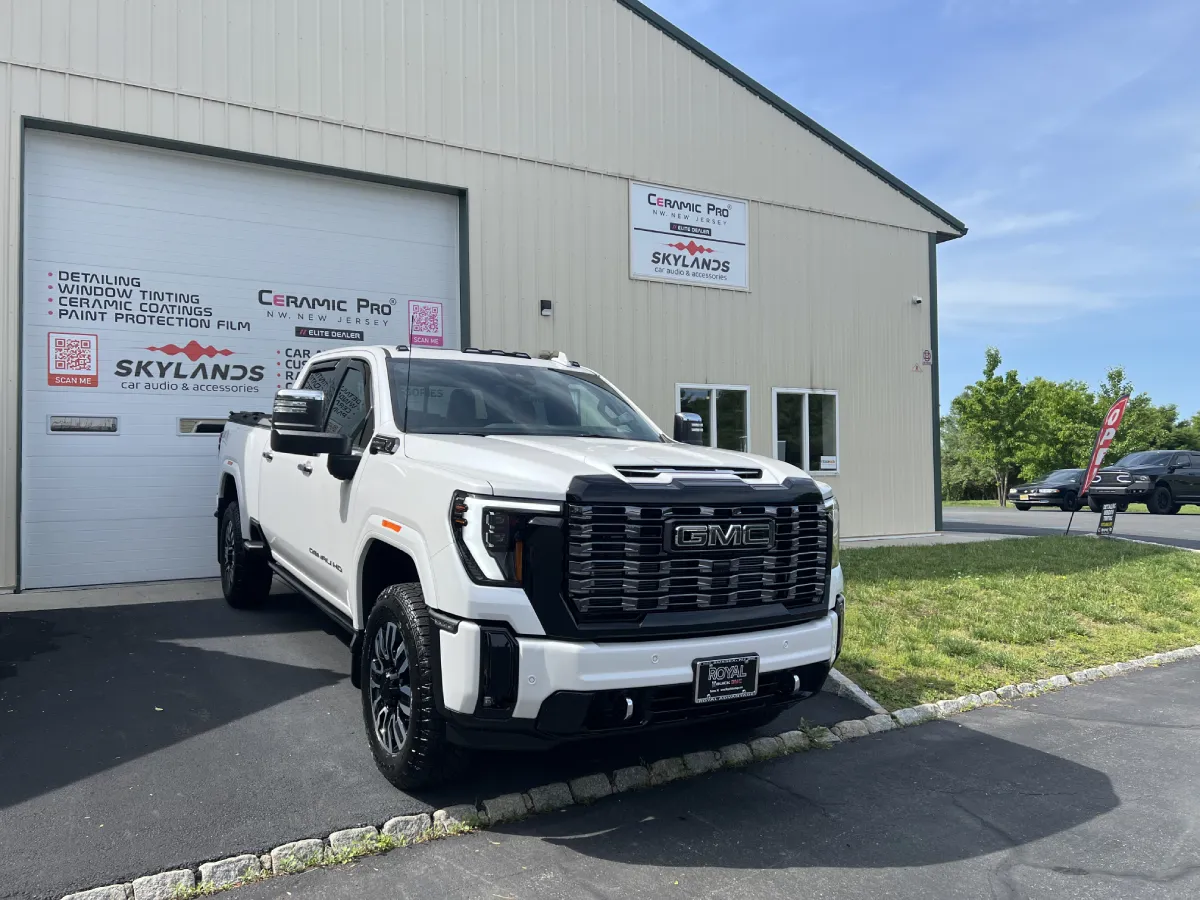
How Often Should Ceramic Coating Be Reapplied
Ceramic coating should typically be reapplied every 2 to 7 years, depending on the coating type, installation quality, driving conditions, and maintenance. Professional-grade coatings generally last longer than DIY products. Regular inspections and proper care help determine when reapplication is needed to maintain paint protection,
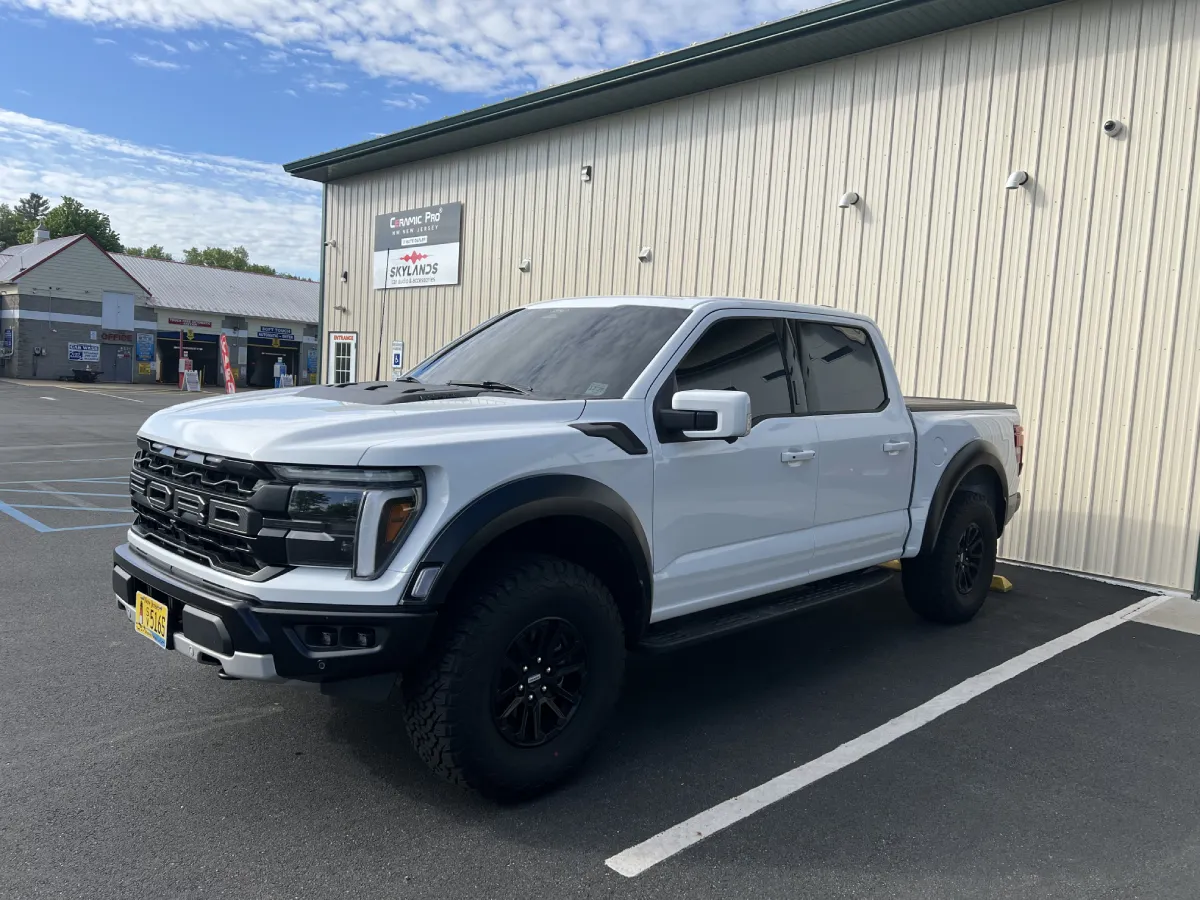
How To Remove Old Window Tint Without Damaging The Glass
To remove old window tint without damaging the glass, soften the adhesive using a heat gun, hair dryer, or steam before carefully peeling the film away. Avoid using metal blades, especially on rear windows with defroster lines, as they can cause permanent damage. Once the
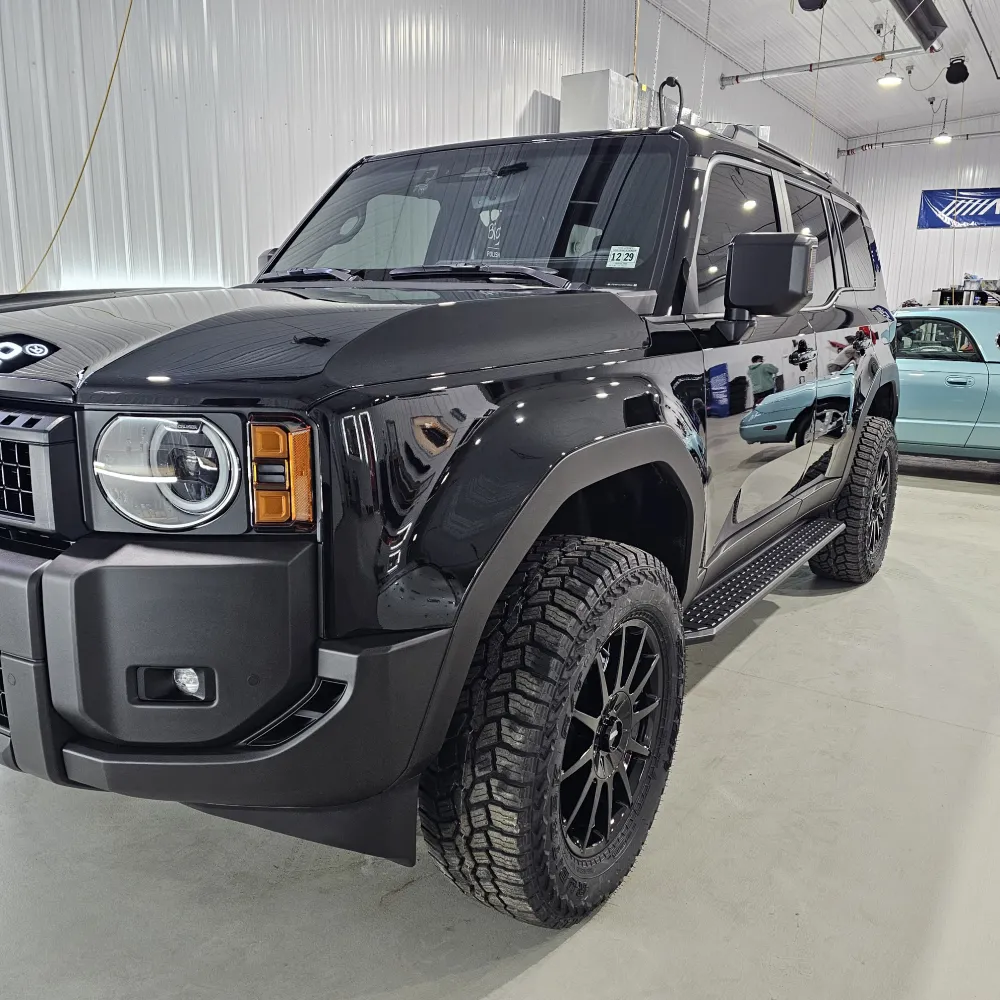
How long does paint protection film last before it needs to be replaced under normal driving conditions
Paint protection film typically lasts 5-10 years under normal driving conditions, while premium self-healing films often last 10–12 years when professionally installed and properly maintained. Replacement is generally required when the film shows yellowing, edge lifting, cracking, hazing, or reduced self-healing and gloss performance. In
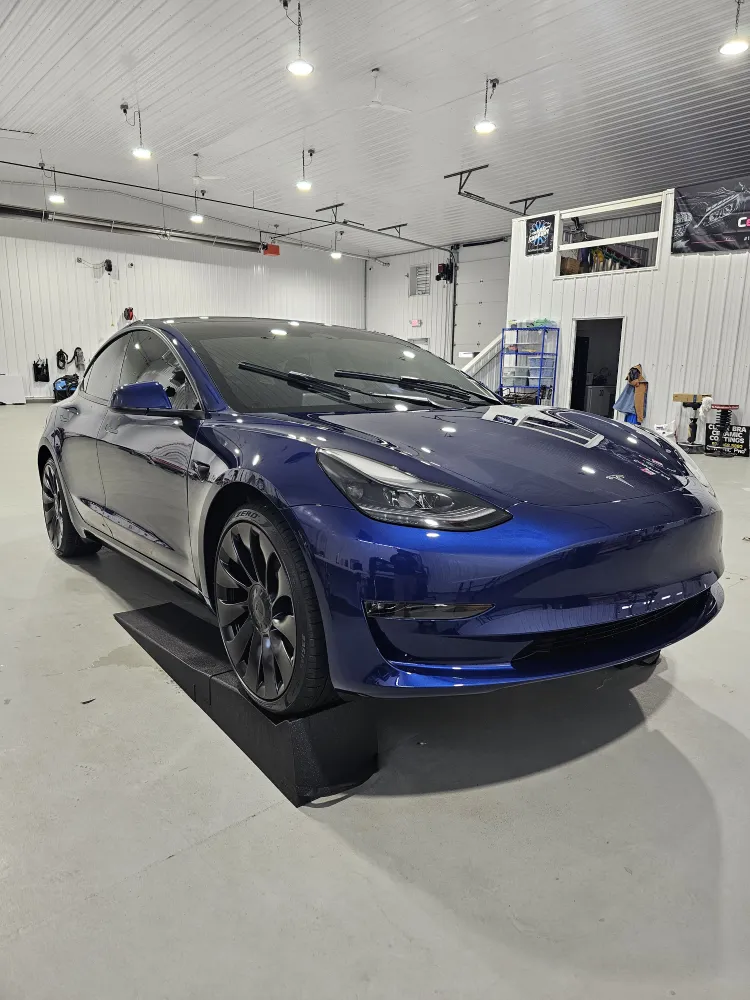
What Factors Determine Whether a Vehicle Needs Light Detailing Versus Full Restoration Detailing
The level of vehicle detailing is determined by measurable surface condition, not by mileage, age, or how clean the car appears at first glance. Light service is appropriate when contamination and defects are superficial and can be removed through washing, decontamination, and light polishing. Full