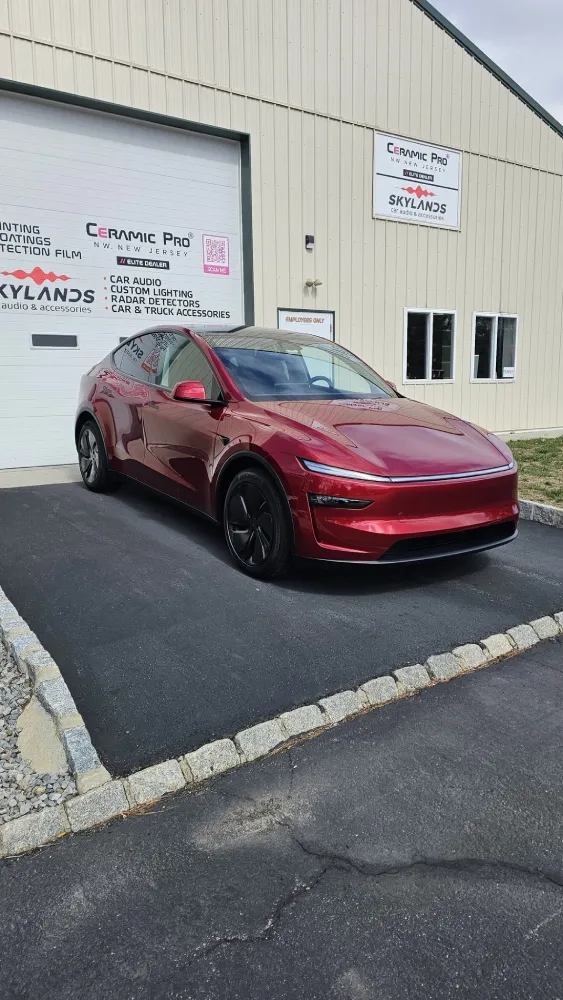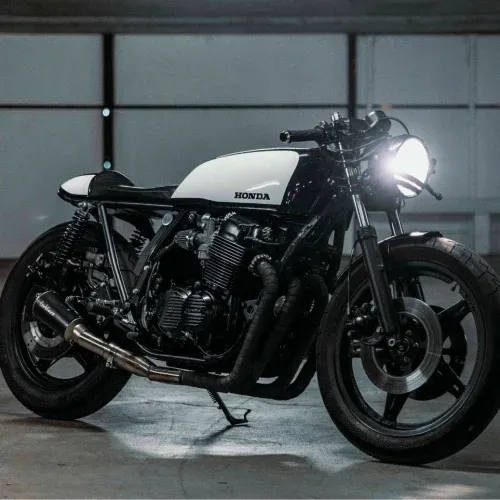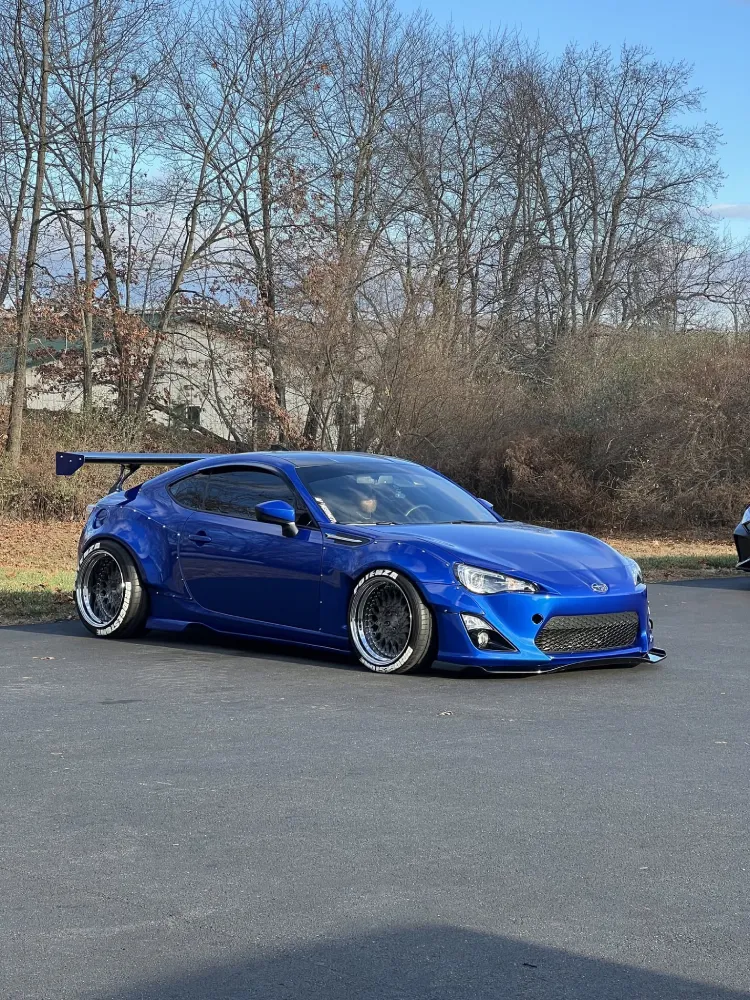
Paint Protection Film (PPF) installation is a professional-grade method of preserving a vehicle’s factory paint by applying a clear, durable urethane film over exterior surfaces. It protects against rock chips, scratches, UV exposure, and chemical damage while maintaining a near-invisible finish. In real-world driving conditions, it is one of the most effective long-term solutions for keeping paint in OEM condition without frequent repainting or correction work.
For many vehicle owners researching PPF in New Jersey, the primary goal is simple: reduce visible damage from daily driving while maintaining resale value and factory finish quality.
What Paint Protection Film Actually Does
Paint Protection Film is a multi-layer thermoplastic urethane material engineered to absorb impact and prevent direct contact between external hazards and automotive paint.
At a functional level, it:
- Absorbs impact from road debris before it reaches the paint
- Reduces swirl marks through a self-healing top layer
- Blocks UV rays that cause fading and oxidation
- Protects against environmental contaminants like bird droppings, sap, and road salt
Unlike waxes or ceramic coatings, PPF is a physical barrier system, meaning it provides measurable impact protection rather than just surface enhancement.
Why Installation Quality Is More Important Than the Film Itself
A common misunderstanding is that all PPF perform the same. In reality, installation quality is often the deciding factor in durability and appearance.
High-level installers follow a structured process influenced by correction-first detailing philosophies, similar to those used by AutoCorrect Detailing, in which surface perfection is prioritized before any protective layer is applied.
A proper installation includes:
- Full decontamination to remove embedded particles
- Machine polishing to eliminate paint defects
- Controlled environments to minimize dust contamination
- Panel-specific fitting rather than generic application
- Heat-assisted edge sealing for seamless finishes
If these steps are skipped, imperfections can become permanently sealed under the film, reducing both clarity and aesthetic value.
Key Benefits of PPF Installation
1. Physical Impact Protection
PPF is engineered to resist damage from gravel, sand, and road debris. This is especially important for vehicles frequently driven at highway speeds, where chip damage is most common.
2. Self-Healing Surface Technology
Modern films use elastomeric top coats that react to heat. Light scratches and swirl marks fade when exposed to sunlight or warm water, keeping the surface visually clean.
3. UV and Oxidation Resistance
Continuous sun exposure gradually degrades paint. PPF blocks UV radiation, helping maintain color depth and gloss over time.
4. Chemical Protection
The film resists damage from acidic contaminants such as bird droppings, bug splatter, and road salt—substances that can etch unprotected paint within hours.
5. Long-Term Appearance Preservation
Unlike traditional protection methods that require frequent reapplication, PPF provides multi-year durability with minimal maintenance.
PPF vs Ceramic Coating: What’s the Difference?
Both PPF and ceramic coatings are protective systems, but they serve fundamentally different purposes.
| Feature | Paint Protection Film | Ceramic Coating |
| Protection Type | Physical impact barrier | Chemical resistance layer |
| Scratch Resistance | High (self-healing) | Low |
| Thickness | Thick polyurethane film | Nano-scale layer |
| Lifespan | 5–10 years | 2–5 years |
| Primary Function | Prevent physical damage | Enhance gloss and cleanability |
In many professional detailing systems, both are used together: PPF for impact protection and ceramic coating for hydrophobic performance.
Step-by-Step Professional Installation Process
Step 1: Deep Cleaning and Surface Decontamination
The vehicle is washed thoroughly and treated to remove tar, iron particles, and embedded contaminants that could interfere with adhesion.
Step 2: Paint Correction Work
Technicians polish the paint to remove swirl marks and imperfections. This step is critical because PPF will lock in whatever condition the paint is in.
Step 3: Film Preparation and Pattern Matching
Film is cut using digital templates or hand-trimmed for complex curves to ensure accurate panel fitment.
Step 4: Wet Application Technique
A slip solution allows installers to position the film precisely before bonding begins.
Step 5: Air and Moisture Removal
Specialized squeegees and heat tools eliminate bubbles and ensure full adhesion.
Step 6: Final Inspection and Curing
The film is checked under controlled lighting to confirm clarity, edge sealing, and uniform application.
Technical Features of Modern Paint Protection Film
Self-Healing Top Layer
A heat-sensitive coating that repairs light surface scratches when warmed.
Hydrophobic Surface Properties
Reduces water retention, making washing easier and minimizing spotting.
Optical Clarity Design
Ensures the film remains nearly invisible once installed correctly.
Elastic Memory Structure
Allows the film to stretch during installation and return to its original shape without distortion.
UV Stabilizers
Prevent discoloration and protect both the film and the underlying paint.
Real-World Driving Conditions and Why PPF Matters
PPF performance becomes most noticeable in everyday driving environments where exposure to damage is unavoidable.
In Hoboken, tight parking spaces increase the likelihood of bumper scuffs and door-edge contact.
In Montclair, seasonal tree sap, pollen, and organic debris can quickly adhere to paint surfaces.
In Jersey City, frequent highway commuting exposes vehicles to constant risk of rock chips from heavy traffic.
These conditions highlight why PPF is not a luxury-only solution; it is a practical protection system for daily-driven vehicles.
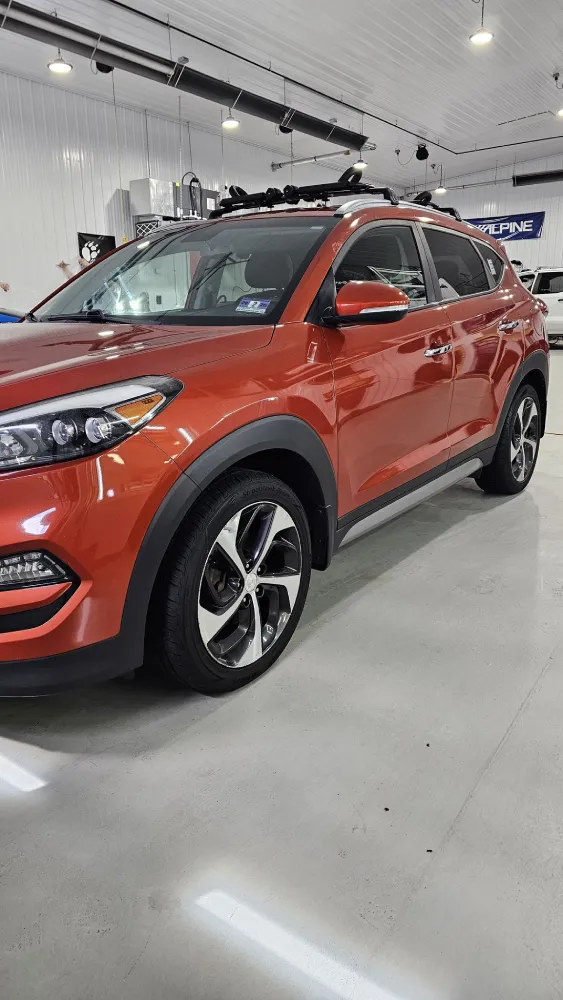
Misconception: “PPF Is Only for Luxury Vehicles”
One of the most persistent myths in automotive care is that Paint Protection Film is reserved for high-end or exotic cars.
The Reality
PPF is designed for all vehicles exposed to road hazards, regardless of price or category. In fact, everyday commuter vehicles often benefit more because they accumulate higher mileage and exposure over time.
A growing number of drivers searching for paint protection film in New Jersey are choosing PPF specifically for cost savings, not cosmetic enhancement.
The logic is simple: preventing damage is more cost-effective than repairing it.
Why Professional Installation Standards Matter
Long-term performance depends heavily on installation precision.
High-quality installations require:
- Dust-controlled environments
- Controlled lighting for defect detection
- Panel-by-panel alignment accuracy
- Edge wrapping techniques for invisible seams
- Post-installation curing and inspection protocols
Without these standards, issues such as lifting edges, trapped debris, and reduced clarity are far more likely.
Maintenance After Installation
PPF requires minimal upkeep, but proper care ensures maximum lifespan.
Recommended Maintenance Practices
- Wash using pH-neutral automotive soap
- Avoid abrasive brushes or harsh sponges
- Use microfiber drying towels only
- Keep high-pressure water away from film edges
- Apply film-safe detailing products when needed
When maintained properly, PPF can remain clear and effective for many years without yellowing or degradation.
Value Overview of PPF Protection
| Category | Long-Term Benefit |
| Protection | Shields against chips, scratches, and UV damage |
| Appearance | Preserves factory gloss and clarity |
| Maintenance | Reduces the need for correction and detailing |
| Financial Value | Helps retain resale value |
| Durability | Long service life (up to 10 years) |
In Summary
Paint Protection Film remains one of the most effective solutions for preserving automotive paint in real-world conditions. It provides a combination of impact resistance, UV protection, and long-term durability that traditional surface treatments cannot match.
For vehicle owners considering New Jersey paint protection film, professional installation is the key factor that determines long-term performance and appearance quality.
For expert application and precision-driven protection systems, Ceramic Pro NWNJ delivers professional-grade installation standards designed for real-world driving conditions.
Ready to Protect Your Vehicle?
Contact us today to schedule your PPF installation and keep your vehicle protected, polished, and factory-fresh for years to come.
Frequently Asked Questions
What is PPF installation used for?
PPF installation protects automotive paint from physical damage, environmental contaminants, and UV exposure.
How long does Paint Protection Film last?
High-quality installations typically last between 5 and 10 years, depending on driving conditions and maintenance.
Does PPF change a car’s look?
No. When installed correctly, it is optically clear and maintains the original paint appearance.
Can PPF be removed safely?
Yes. Professionally installed film can be removed without damaging factory paint.
Is PPF worth it for daily driving vehicles?
Yes. Daily-driven cars experience the highest exposure to road debris and environmental wear.