To keep your car in top condition, you should get a professional auto detailing service every 4 to 6 months. This twice-yearly frequency provides a necessary deep clean that protects your paint from oxidation and preserves your interior materials, though high-mileage drivers or those in harsh climates may benefit from quarterly visits to mitigate heavy wear.
The Professional Detailing Schedule: Balancing Use and Environment
Maintaining a vehicle in showroom condition is a science that balances usage patterns with environmental exposure. Most car owners mistake a standard car wash for maintenance, but true preservation requires a proactive approach. When you adhere to a professional detailing schedule, you are transitioning from “cleaning” to “asset management.”
Optimal Maintenance Intervals by Vehicle Usage
| Vehicle Profile | Recommended Frequency | Primary Technical Focus |
| Daily Commuter | Every 3–4 Months | Chemical decontamination & high-traffic interior care |
| Luxury/Leisure | Every 6 Months | Paint sealant replenishment & leather nourishment |
| Family/Multi-Passenger | Every 2–3 Months | Hot water extraction & antimicrobial sanitization |
| High-Exposure (Coastal/Snow) | Every 3 Months | Undercarriage flushing & oxidation prevention |
Why Regional Climate Dictates Your Detailing Needs
The environment is the primary driver of automotive surface degradation. In regions where the weather shifts from humid summers to freezing, salt-laden winters, your vehicle’s exterior surfaces are under a constant chemical attack. If you are looking for high-standard auto detailing in New Jersey, understanding “road brine” and industrial fallout is essential for long-term ownership.
Our factory-trained installers recognize that seasonal changes bring different types of contaminants. In the spring, pollen and tree sap can become acidic when heated by the sun, etching into the clear coat. In the winter, magnesium chloride used on roads acts as an accelerant for rust. By utilizing proven tools & products, we neutralize these threats at a microscopic level.
While performing a recent preservation audit for a client in Short Hills, our team observed that seasonal salt accumulation had begun to calcify in the wheel wells. This is a common issue for Northeast drivers; if left for more than a single season, these mineral deposits can cause permanent damage to alloy wheels and suspension components.
Technical Specifications: The Anatomy of a Professional Detail
A professional detail is not a “fancy car wash.” It is a technical restoration of the vehicle’s surfaces. To understand why a 4-to-6-month interval is necessary, one must look at the specifications of the work involved:
Exterior Restoration Specifications
- Mechanical Decontamination: Utilizing specialized clay media and lubricant to lift microscopic pollutants, such as rail dust and brake dust, leaving the paint surface surgically clean.
- Paint Refinement (Correction): The use of dual-action polishers and diminishing abrasives to level the clear coat. This process effectively removes “spider-web” swirls and light marring caused by improper washing.
- Hydrophobic Surface Sealing: Applying cross-linking polymer sealants or ceramic-based coatings to create a barrier that repels UV radiation, acid rain, and bird droppings.
Interior Preservation Specifications
- Thermic Sanitization: Using dry vapor steam to penetrate porous surfaces like upholstery and headliners, lifting deep-seated oils and eliminating pathogens without the use of harsh surfactants.
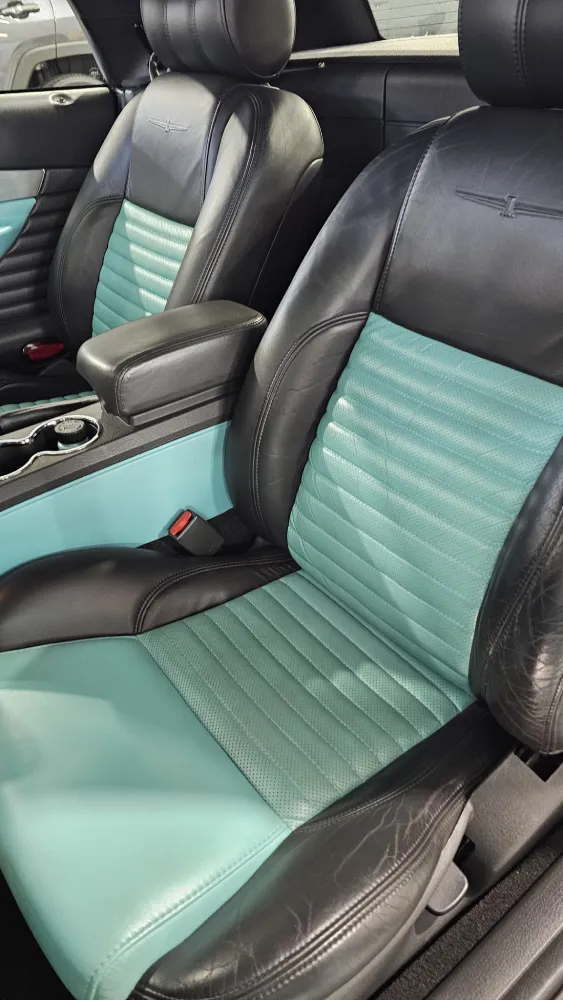
- Leather Conditioning: Applying pH-balanced nourishment to animal hides to keep them supple and prevent the “tightness” that leads to cracking.
- UV Inhibitor Application: Treating plastic and vinyl surfaces with non-greasy protectants that block the infrared rays responsible for dashboard warping.
Maximizing Your Vehicle’s Longevity and Equity
Regular detailing is an investment in your asset’s equity. Beyond the immediate aesthetic appeal, a consistent maintenance history provides tangible long-term benefits, saving money over the life of the vehicle.
During a recent project for a long-time enthusiast in Princeton, we serviced a ten-year-old sedan. Because the owner adhered to a strict bi-annual schedule, the paint depth and interior suppleness were nearly identical to factory-new specifications. This demonstrates that New Jersey auto detailing is not just about a temporary shine; it is the most effective way to combat the natural aging process of automotive materials.
1. Preservation of Residual Value
The automotive market increasingly values “pristine” condition. A vehicle with a documented history of professional detailing can command a significantly higher resale price, often 15% to 20% above the “Good” condition KBB value.
2. Material Integrity
Every material inside your car has a lifespan. Plasticizers in your dashboard eventually leach out, making it brittle. Leather loses its natural oils. Regular detailing replenishes these lost elements, extending the life of the interior by years.
3. Owner Wellness and Safety
A car’s cabin is a confined space where dust, allergens, and bacteria can accumulate. Our deep-cleaning protocols remove particulates from the HVAC system and upholstery, ensuring a healthier environment. Furthermore, detailing includes glass polishing and headlight restoration, which directly improve nighttime and rainy-weather visibility.
Debunking the Myth: “The Dealership Already Protected It”
One of the most prevalent misconceptions in the industry is that a brand-new car arrives in “perfect” condition and doesn’t require professional care for the first year.
The Reality: Most new vehicles spend months in transit, on rail cars, at shipping ports, and sitting on dealer lots. During this time, they are exposed to heavy industrial fallout and iron dust. Dealership “prep” often involves high-volume automated car washes that inflict swirl marks on the soft, new, clear coat before you even take delivery.
A “New Car Prep” service by factory-trained installers is vital to correct these factory defects and apply a foundational layer of protection. Utilizing professional auto detailing services in New Jersey immediately after purchase ensures your vehicle’s protection starts on day one, providing a cleaner surface for ceramic coatings or paint protection films to bond to.
The Professional Difference: Elite Customer Service
Choosing a detailing partner means looking for more than a price tag; it’s about finding a shop that offers elite customer service. Whether we are servicing a commuter car in Alpine or a vintage classic, our goal is to provide a level of finish that exceeds factory standards.
We utilize a “Total Surface Inspection” protocol. Before a single drop of water touches the car, we map out the paint depth and identify areas of concern. This ensures that our proven tools & products are applied with surgical precision, tailored to your car’s paint type and interior materials.
How to Maintain Results Between Professional Visits
While a 4-to-6-month interval is ideal for professional intervention, how you treat the car in between visits matters.
- Avoid Automated Washes: The “brushes” in automatic washes are essentially sandpaper that holds onto the grit from the truck that went through before you.
- Use the Two-Bucket Method: If washing at home, use one bucket for soapy water and one for rinsing your mitt. This prevents dirt from rubbing back onto the paint.
- Address Spills Immediately: Don’t let coffee or soda sit on the carpet for months until your next detail; blot them up immediately to prevent permanent staining.
- Park Strategically: Whenever possible, park in the shade or in a garage to minimize UV exposure, which is the leading cause of clear-coat failure.
In Summary
Consistent auto detailing is the most effective way to ensure your vehicle remains in top condition throughout your ownership. By moving to a 4-to-6-month service interval, you protect both the aesthetic and structural integrity of your investment against the elements.
At Ceramic Pro Knoxville, our factory-trained installers deliver results that exceed expectations. We combine technical expertise with a passion for automotive excellence to ensure your vehicle stays in top condition. Whether you are looking for a routine maintenance detail or advanced surface protection, we have the solutions to meet your needs.
Ready to elevate your vehicle’s protection and restore that showroom shine? Contact us today at Ceramic Pro Knoxville to schedule your consultation and experience the ultimate in automotive care.
People Also Ask (FAQ)
Is a car wash the same as auto detailing?
No. A car wash is a topical cleaning meant to remove loose dirt. Detailing is a deep-level restoration that involves chemical decontamination, machine polishing, and long-term surface protection.
How long does a full professional detail take?
A comprehensive detail typically requires 5 to 8 hours. Some advanced services, such as multi-stage paint correction or ceramic coating application, may require the vehicle to stay in the studio for 2 to 3 days.
Will detailing remove deep scratches?
Detailing can remove light swirl marks and “spider-webbing” in the clear coat. However, if a scratch has penetrated through the clear coat into the paint or primer, it may require touch-up paint or traditional body shop repair.
Does detailing include the engine bay?
Top-tier detailing often includes an engine bay cleaning. This involves safely degreasing the engine components and dressing the plastic and rubber hoses to prevent them from drying out and cracking.