Properly washing and maintaining a vehicle after paint protection film (PPF) installation requires specific techniques, gentle cleaning products, and a careful drying process to ensure the film remains crystal clear and securely bonded. Following a specialized maintenance routine prevents premature edge lifting, surface scratching, and chemical staining, protecting your investment for years to come.
Understanding Paint Protection Film Care
Investing in high-grade Hackettstown paint protection film is one of the most effective ways to shield your car’s exterior from rock chips, road debris, and environmental fallout. However, because the urethane film has unique physical characteristics compared to factory clear coats, your washing habits must adapt. Whether you recently had a kit applied or you are maintaining your car after visiting a professional shop, the core principles of safe upkeep remain identical.
When you first pick up your vehicle after an installation, the film typically requires a curing window of roughly seven to fourteen days. During this initial curing phase, moisture trapped beneath the microscopic pores of the film will slowly evaporate. Resist the urge to wash your car during the first week. If bird droppings, tree sap, or bug splatters land on the fresh film during this curing period, remove them immediately using a microfiber towel soaked in quick detailer or a mild water-and-alcohol solution, wiping gently without applying heavy pressure.
Essential Supplies and Wash Techniques
Once the curing window has passed, you can safely wash your vehicle using a two-bucket wash method. This technique utilizes one bucket filled with soapy water and a second bucket filled with clean rinse water to prevent dirt particles from being dragged back across the film surface.
To maintain the integrity of the film and any accompanying ceramic top coatings, select your cleaning chemicals carefully:
- pH-Balanced Shampoo: Always use an automotive shampoo specifically formulated to be pH-neutral. Avoid dish soaps or harsh household detergents, as they strip protective top coats and can degrade the adhesive edges over time.
- Washed Mitts: Use ultra-soft, premium microfiber wash mitts or clean lambskin mitts. Old sponges trap abrasive grit that creates micro-marring on the self-healing top layer of the film.
- Drying Towels: High-GSM plush microfiber drying towels or a filtered air blower will prevent water spots without dragging abrasive particles across the paint.
When washing your car in Hackettstown, park in a shaded area so the body panels are cool to the touch. Hot metal causes soap and rinse water to dry prematurely, leaving mineral deposits that etch into the top layer of the film. Start washing from the top of the vehicle and work your way down to the rocker panels, rinsing your wash mitt frequently in the clean water bucket before reloading it with fresh soap.
The Value of Professional Maintenance Standards
Achieving long-lasting clarity and gloss requires more than just a routine weekend wash; it demands a commitment to professional craftsmanship from day one. When drivers search for reliable paint protection film in Hackettstown, NJ, they quickly realize that the quality of the initial application dictates how easy the film is to maintain down the road.
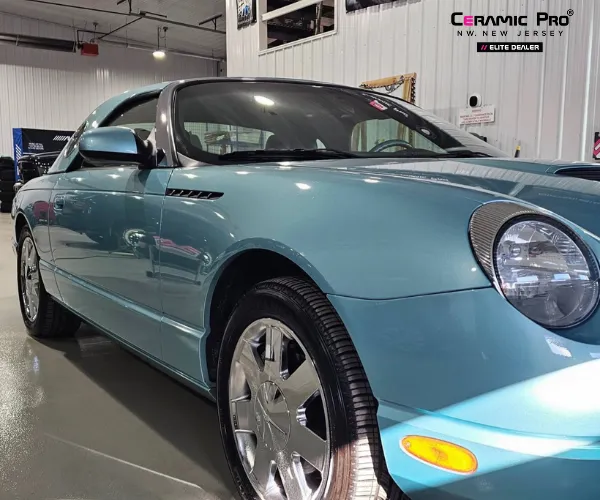
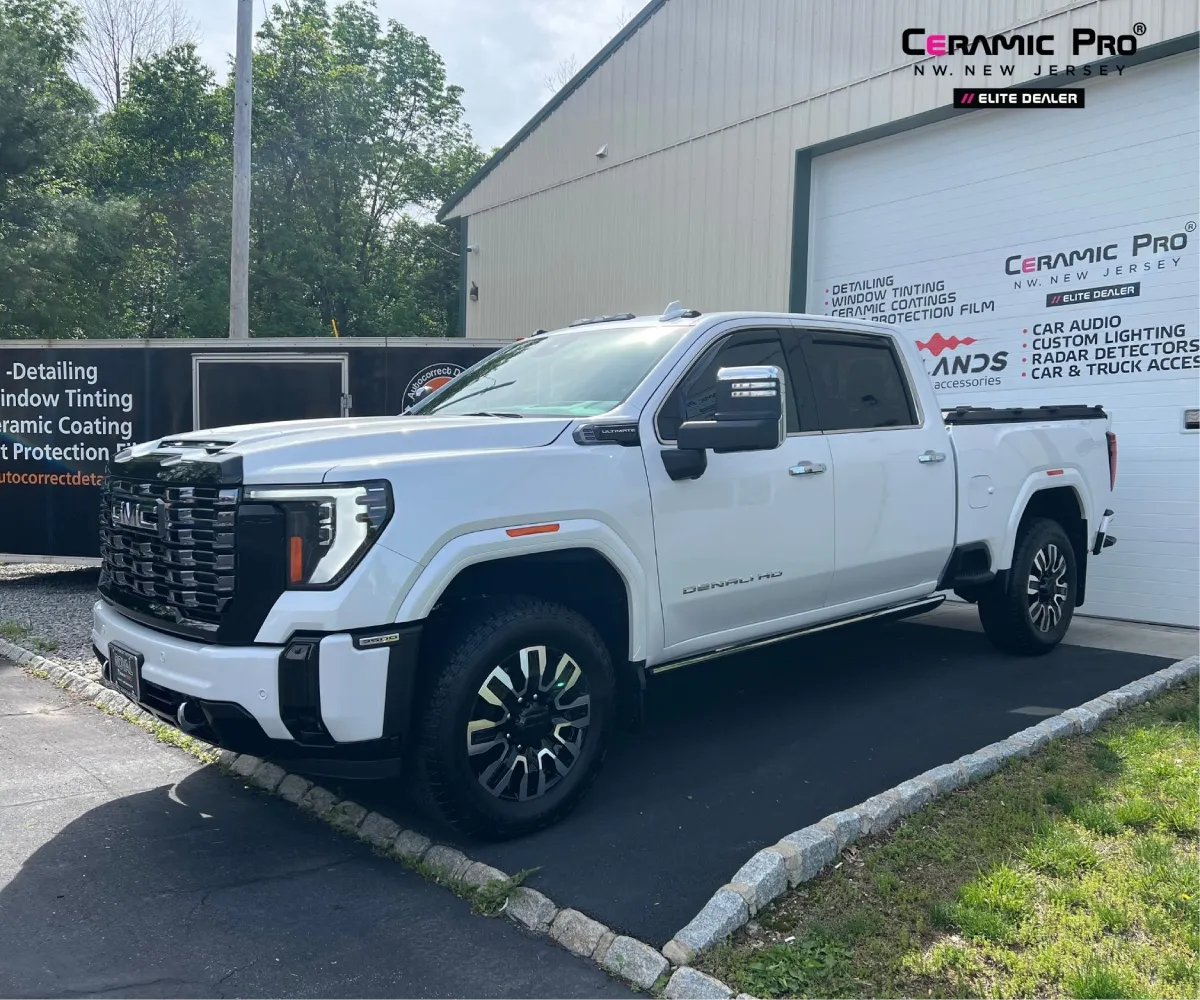
At Ceramic Pro NWNJ, we take pride in providing the best service, highly trained and experienced ensuring that your car is properly protected and looks great. Our shop relies exclusively on factory-trained installers who understand the intricate geometry of modern luxury and performance vehicles. Using proven tools and products alongside elite customer service, our team eliminates common installation pitfalls such as trapped air bubbles, excessive stretching, and exposed edges that trap dirt.
For instance, during a recent detailing and preservation audit for a client’s vehicle from Netcong, our technicians demonstrated how precise computer-cut paint protection film in Hackettstown patterns prevent knife marks on factory paint while ensuring seamless wrapping around panel edges. This meticulous attention to detail makes routine washing significantly easier, as contaminants have fewer crevices to hide within. By combining top-tier materials with expert hands, we ensure your vehicle retains its showroom finish through every season.

Advanced Maintenance Tips for Seasonal Protection
Environmental factors can test the resilience of your vehicle’s exterior protection. In regions experiencing harsh winters, road salts, chemical de-icers, and liquid brine pose a serious threat to exterior surfaces. If you drive through winter conditions, frequent rinses are necessary to prevent corrosive salt buildup along the edges of the film.
- Avoid Petroleum-Based Products: Never apply traditional paste waxes containing heavy petroleum distillates or abrasive rubbing compounds directly onto the film. These products can discolor the urethane or leave a permanent hazy residue.
- Utilize Specialized Sealants: If you want to boost gloss and slickness, choose a synthetic sealant or a ceramic booster spray specifically engineered for use on paint protection film. These products enhance hydrophobic water-beading properties, making future washes effortless.
- Mind the Edges: When pressure washing your car, maintain a safe distance of at least three feet from the film edges. High-pressure streams directed squarely at a film seam can force water underneath the adhesive layer and cause premature lifting.
People Also Ask
Can I take my PPF-wrapped car through an automatic car wash?
Automatic tunnel washes equipped with spinning nylon brushes or heavy cloth strips should be avoided entirely. These abrasive brushes generate friction that scratches the self-healing top coat and can catch on film edges, causing them to peel. Always opt for a gentle hand wash or a touchless automatic wash if hand washing is not an option.
How do I remove stubborn bugs and bird droppings from the film?
Bird droppings and bug splatters are acidic and can etch into the film if left unattended under the sun. Soak the affected area with a damp microfiber towel for a minute to soften the debris, then wipe away gently. Avoid scraping with fingernails or harsh plastic tools, which can permanently gouge the soft urethane surface.
Does paint protection film yellow over time?
High-quality modern polyurethane films feature advanced UV inhibitors and optical brighteners that resist yellowing and discoloration caused by solar radiation. Choosing premium products installed by certified professionals ensures your film remains optically clear and virtually invisible for the lifetime of the warranty.
How often should I wash a vehicle with paint protection film?
To prevent environmental contaminants like industrial fallout, tree sap, and road grime from bonding to the surface, wash your vehicle every two weeks. Regular cleaning preserves the slickness of the film and ensures water spots do not have time to bake into the protective layer.
Experience Premium Protection Today
Proper maintenance safeguards your vehicle’s appearance, preserves its structural integrity, and protects your financial investment against everyday road hazards. If you want to learn more about advanced exterior preservation or need expert guidance on maintaining your vehicle’s finish, Ceramic Pro NWNJ is here to help.
Ready to give your vehicle the ultimate defense against road debris? Contact us today to schedule your free consultation and discover how professional-grade protection can elevate your driving experience.