The level of vehicle detailing is determined by measurable surface condition, not by mileage, age, or how clean the car appears at first glance. Light service is appropriate when contamination and defects are superficial and can be removed through washing, decontamination, and light polishing. Full restoration is required when damage is embedded in the clear coat or interior materials and cannot be corrected without multi-stage compounding and intensive reconditioning.
The most reliable way professionals make this distinction is by evaluating defect depth, contamination bonding, and the feasibility of correction under controlled inspection conditions, rather than relying on outdoor appearance.
Light Detailing vs Full Restoration Detailing: What Actually Changes
The difference between these services is not cosmetic; it is structural in terms of how much of the vehicle’s surface must be corrected or rebuilt.
| Category | Light Detailing | Full Restoration Detailing |
| Paint Condition | Light swirl marks, haze, light contamination | Deep scratches, oxidation, etching, heavy marring |
| Interior Condition | Dust, fingerprints, minor spots | Embedded stains, odor, material saturation |
| Process Intensity | Wash, decontaminate, light polish | Multi-stage compounding, refinement, reconditioning |
| Time Required | 1–3 hours | 8–30+ hours |
| Clear Coat Interaction | Minimal surface polishing | Controlled defect removal across multiple stages |
| Goal | Maintain and enhance finish | Restore optical clarity and surface integrity |
Light detailing is preventive maintenance. Full restoration is corrective intervention.
Primary Factors That Determine Detailing Requirements
Professional evaluation relies on structured diagnostic criteria rather than subjective judgment.
1. Paint Defect Depth and Visibility
The first and most critical factor is whether defects are surface-level or embedded within the clear coat.
- Surface haze, light swirls, and wash-induced micro-marring often respond well to polishing.
- Deep scratches, oxidation, and etching require compounding and multi-stage correction.
Defect depth determines how aggressively a surface can be safely corrected without compromising clear coat thickness.
2. Interior Contamination Complexity
Interior condition is assessed based on the type of contamination, not just on cleanliness.
- Light contamination: dust, fingerprints, loose debris
- Moderate contamination: light staining, surface oils
- Heavy contamination: embedded spills, odor absorption, fabric saturation
The deeper the contamination penetrates material fibers, the more likely restoration-level interior work is required.
3. Environmental Exposure History
External conditions significantly influence surface degradation over time.
Vehicles exposed to:
- UV-heavy sunlight
- Road salt and winter brine
- Coastal humidity
- Industrial fallout or brake dust accumulation
tend to degrade faster and accumulate bonded contaminants that require restoration techniques rather than surface cleaning.
4. Maintenance Frequency and Care History
A vehicle’s maintenance pattern often predicts its detailing needs more accurately than its age.
- Regular washing and protection typically keep a vehicle in the light detailing category.
- Infrequent or improper washing leads to bonded contamination and accelerated swirl formation.
Neglected maintenance increases both correction time and required intervention level.
5. Clear Coat Thickness and Correction Limits
In auto detailing in New Jersey, modern automotive finishes rely on a thin protective clear coat layer. This layer determines how much material can be safely polished.
- Light correction preserves nearly all clear coat thickness
- Restoration work removes a controlled amount of material to eliminate defects.
Professional technicians measure or estimate clear-coat limits to ensure that correction does not compromise long-term durability.
6. Intended Use and Outcome Expectations
The purpose of the vehicle strongly influences the intensity of detailing.
- Daily driver maintenance focuses on cleanliness and protection
- Lease return preparation emphasizes cosmetic presentation
- Pre-sale detailing prioritizes maximum visual appeal
- Enthusiast vehicles may require high-level correction and refinement
Each use case changes the acceptable level of imperfection and the depth of correction.
How Professionals Evaluate Vehicle Condition in Practice
In New Jersey auto detailing environments, service decisions are made through structured inspection rather than visual assumption.
A proper evaluation typically includes:
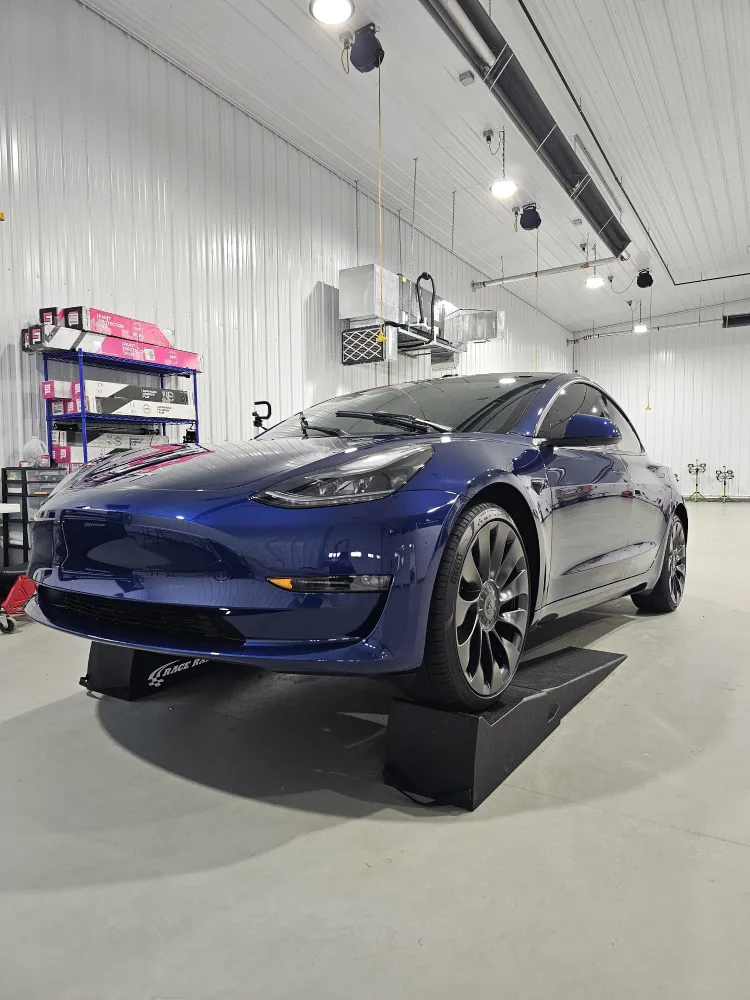
- Controlled lighting inspection to expose swirl marks, holograms, and micro-marring
- Surface tactile inspection to detect bonded contamination invisible to the eye
- Test spot correction to determine how easily defects can be removed
- Interior material classification to match cleaning chemistry to fabric or leather type
This diagnostic approach ensures accuracy before any correction begins.
For example, during an inspection for a client seeking auto detailing services, a vehicle that appeared heavily scratched in daylight was, under controlled lighting, found to have only surface-level haze and wash-induced micro-marring. As a result, the vehicle required only light correction instead of full restoration.
This type of assessment prevents unnecessary aggressive polishing and preserves clear coat integrity.
Surface Condition Specifications
Understanding technical terminology helps clarify why detailing levels differ so significantly.
- Paint Correction: A controlled polishing process that removes defects from the clear coat using progressively finer abrasives while maintaining paint integrity.
- Clear Coat Oxidation: UV-induced degradation of the protective outer layer, resulting in fading, chalkiness, or dull appearance.
- Bonded Contamination: Particles such as tar, iron fallout, and industrial residue that adhere to paint and resist normal washing.
- Interior Extraction Load: The level of embedded contaminants within upholstery fibers requiring mechanical or chemical extraction methods.
- Defect Severity Profile: A classification system used to determine whether imperfections are cosmetic or structurally embedded.
When Light Detailing Is the Correct Choice
Light detailing is appropriate when the vehicle remains structurally sound and only requires maintenance-level refinement.
Typical conditions include:
- Routine maintenance cycles every 4–8 weeks
- Minor swirl marks from improper washing techniques
- Dust accumulation and light surface contamination
- Recently purchased used vehicles in good condition
- No odor, staining, or oxidation present
Light detailing focuses on preservation, gloss enhancement, and contamination removal without altering surface structure.
When Full Restoration Detailing Is Required
Full restoration auto detailing services in New Jersey are required when surface or interior conditions exceed the limits of maintenance correction.
Common indicators include:
- Deep scratches visible under multiple lighting angles
- Heavy oxidation or fading of the clear coat
- Water spotting or chemical etching
- Smoke, mildew, or persistent odor embedded in materials
- Long-term neglect or outdoor exposure damage
- Severely stained upholstery or carpet saturation
Restoration detailing involves multi-stage compounding, deep extraction, and targeted refinishing designed to restore clarity and structure rather than simply improve appearance.
Misconception: “Visible Damage Always Requires Heavy Correction”
A widespread misunderstanding in vehicle care is that visible defects automatically require aggressive restoration.
In reality, many visible issues are caused by:
- Surface transfer residues (not actual scratches)
- Micro-marring confined to the upper clear coat
- Light oxidation that responds to polishing
- Contamination films that distort light reflection
Under controlled inspection, these issues are often far less severe than they appear in direct sunlight or under poor lighting conditions.
Overestimating defect severity can lead to unnecessary clear coat removal, which reduces long-term paint durability.
Structured Evaluation Systems in Modern Detailing
Professional detailing increasingly relies on structured evaluation models to ensure consistency and accuracy.
A typical system evaluates:
- Paint defect severity score
- Interior contamination index
- Environmental exposure rating
- Correction feasibility threshold
This structured approach removes guesswork and ensures vehicles are neither under-treated nor over-corrected.
It also improves efficiency by aligning service levels precisely with actual conditions rather than perceived severity.
Real-World Application Example
In practical scenarios, structured evaluation often changes the outcome of service recommendations.
A vehicle inspected under controlled conditions may initially appear to require full restoration due to heavy swirling visible in sunlight. However, after decontamination and inspection of the lighting, many of these imperfections may be revealed as surface-level marring rather than deep defects.
In such cases, technicians can safely recommend light detailing, saving time, cost, and unnecessary material removal while still achieving a high-quality visual result.
Precision-Based Vehicle Surface Care
Auto Correct Detailing applies a condition-first diagnostic approach to every vehicle before any work begins.
Instead of using standardized service assumptions, each vehicle undergoes a structured evaluation to determine the most appropriate level of detailing.
This includes:
- Detailed pre-inspection of paint and interior condition
- Assessment of contamination type and defect depth
- Material-specific treatment selection
- Controlled correction methods designed to preserve clear coat integrity
- Transparent recommendations based on measurable findings
This method ensures that vehicles receive the correct level of care, whether that is light maintenance detailing or full restoration-level correction.
The emphasis is on precision, surface preservation, and long-term protection rather than unnecessary intervention.
In Summary
The decision between light detailing and full restoration is based on measurable surface condition, not appearance or vehicle age. Light service is best suited for maintenance and minor imperfections, while full restoration is necessary when defects are deeper, embedded, or caused by long-term environmental exposure.
At Ceramic Pro NWNJ, a structured inspection process ensures the correct level of service is applied efficiently, protecting vehicle surfaces and preserving long-term value.
For a professional evaluation and tailored recommendation, contact us today to schedule a precision-based assessment and restore your vehicle with expert care.
Frequently Asked Questions
What is the main factor that determines the detailing level?
The depth of surface defects and contamination severity are the primary deciding factors.
Can light detailing remove scratches?
Only minor surface-level scratches can be reduced. Deeper scratches require correction or restoration.
How often should light detailing be performed?
Typically, every 1–3 months, depending on usage and environmental exposure.
Is restoration detailing always necessary for older vehicles?
No. Condition matters more than age, well-maintained older vehicles may only need light detailing.
Does detailing improve resale value?
Yes. Both light and restoration detailing improve visual presentation, which influences buyer perception and market value.