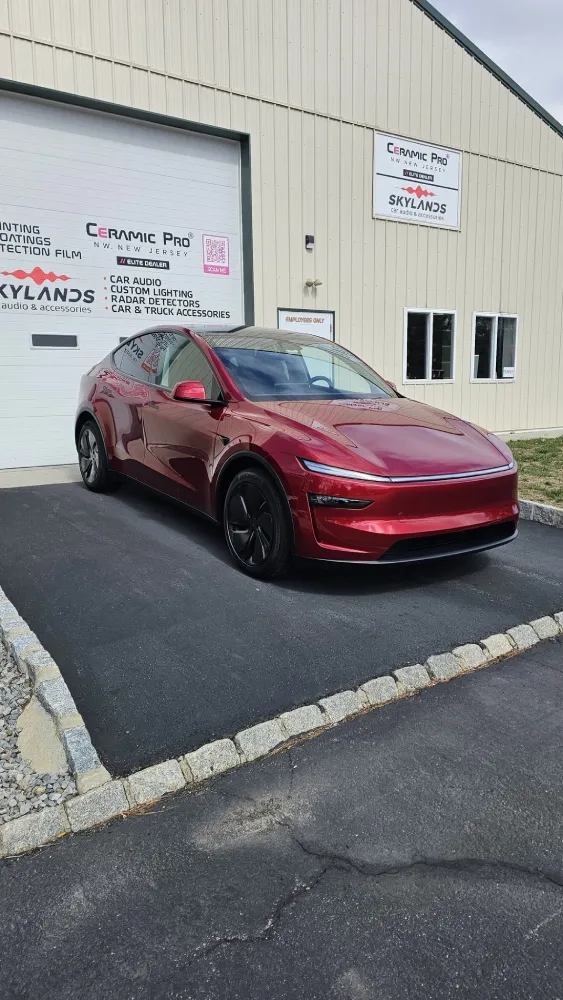
Auto detailing keeps your car clean year-round by removing contaminants that regular washes miss and adding protective layers that defend against seasonal damage. It not only improves appearance but also preserves materials, reduces wear, and maintains long-term vehicle condition.
What Is Auto Detailing and Why Does It Matter?
Auto detailing is a methodical process that combines deep cleaning, surface correction, and protection. Unlike a standard wash, which primarily removes visible dirt, detailing targets contamination embedded in paint, fabric, and trim.
This distinction becomes important when evaluating long-term vehicle care. Drivers searching for auto detailing in New Jersey often face environmental exposure that fluctuates dramatically throughout the year. Road salt, humidity, pollen, and UV radiation all impact different parts of a vehicle, and each requires a specific response.
Detailing addresses these issues at the source. It removes bonded contaminants before they degrade surfaces and applies protective treatments that slow future damage. The result is not just a cleaner vehicle, but one that ages more predictably and retains its condition longer.
How Auto Detailing Protects Your Car in Every Season
Seasonal changes introduce different types of stress. Without intervention, these accumulate, leading to visible and structural damage.
Winter: Salt and Corrosion Risk
Winter conditions create one of the most aggressive environments for a vehicle. Road salt bonds to metal surfaces and accelerates oxidation. Moisture becomes trapped in seams, undercarriages, and carpets.
Detailing mitigates this by:
- Removing salt deposits through targeted cleaning
- Applying sealants that reduce direct exposure
- Cleaning and drying interior materials to prevent mold
Spring: Pollen and Residue Buildup
Spring introduces fine airborne particles that adhere to paint and glass. Over time, these particles can etch into the clear coat if not removed.
Detailing during this period focuses on:
- Decontamination to lift bonded particles
- Interior cleaning to reduce allergens
- Surface protection to prevent staining
Summer: UV and Heat Exposure
Extended sun exposure breaks down both exterior and interior materials. Paint oxidizes, trim fades, and interior surfaces dry out.
Protective measures include:
- UV-resistant coatings that reduce radiation damage
- Conditioning treatments for leather and plastics
- Regular maintenance washes to prevent buildup
Fall: Organic Debris and Moisture
Leaves, sap, and organic debris introduce staining risks and clog drainage systems. Moisture retention becomes a concern again.
Detailing helps by:
- Removing organic contaminants before they stain
- Clearing drainage areas
- Preparing surfaces for upcoming winter exposure
Auto Detailing vs Regular Car Wash: A Comparison
| Feature | Car Wash | Auto Detailing |
| Cleaning Depth | Surface-level | Multi-stage cleaning |
| Paint Condition | Unchanged | Corrected and restored |
| Protection | Minimal | Long-lasting |
| Interior Care | Limited | Deep cleaning + conditioning |
| Longevity Impact | Short-term | Long-term preservation |
A car wash maintains appearance briefly. Detailing changes how the vehicle holds up over time.
Step-by-Step: What Happens During a Professional Detail
Understanding the process clarifies why detailing produces longer-lasting results.
1. Exterior Decontamination
This stage removes contaminants that cannot be washed away, including industrial fallout and tar. Clay bars and chemical treatments are used to create a clean base.
2. Paint Correction
Polishing eliminates oxidation, swirl marks, and minor defects. This restores clarity and prepares the surface for protection.
3. Protection Application
Sealants or ceramic coatings are applied to create a barrier between the vehicle and its environment.
4. Interior Reconditioning
Steam cleaning, extraction, and conditioning restore interior materials and remove embedded debris.
5. Final Inspection
Technicians verify consistency across all surfaces and ensure no areas are missed.
During a recent audit for a firm in Montclair, vehicles on a detailing schedule showed noticeably less clear-coat degradation than those receiving only routine washes.
Key Features and Specifications of Auto Detailing
Exterior Protection
- Paint Sealant
A synthetic layer that bonds to the paint and protects against contaminants and UV exposure - Hydrophobic Surface Behavior
Water beads and rolls off, carrying dirt with it - Oxidation Resistance
Slows chemical breakdown caused by environmental exposure
Interior Protection
- Steam Sanitization
Uses heat to break down bacteria and embedded grime - Material Conditioning
Maintains flexibility and prevents cracking - Odor Neutralization
Removes odor sources instead of masking them
Add-On Services
- Ceramic Coating
Provides extended protection with reduced maintenance requirements - Engine Bay Cleaning
Improves visibility and removes accumulated residue - Headlight Restoration
Enhances clarity and improves nighttime safety
In Hoboken, a vehicle treated with ceramic coating required fewer maintenance washes due to reduced dirt adhesion and improved surface behavior.
Applying our CleanShield Protocol to Solve This
To ensure consistent results, we use the CleanShield Protocol, a defined system that prioritizes long-term surface stability over short-term visual improvement.
CleanShield Protocol Framework:
- Initial Decontamination
Always start with a fully clean surface to prevent sealing in contaminants - Measured Correction
Only polish when necessary to preserve paint thickness - Targeted Protection
Apply protection based on environmental exposure and usage patterns - Scheduled Maintenance
Maintain surfaces at regular intervals to prevent regression
This structured approach reflects the expectations behind professional New Jersey auto detailing services, where consistency and durability matter more than quick visual results.
Common Misconception: “Detailing Is Just for Appearance”
This is one of the most common misunderstandings, and it often leads to delayed maintenance.
Detailing is not purely cosmetic. It is a preventative process designed to slow material degradation. Paint failure, interior cracking, and corrosion all begin below the surface. By the time they are visible, repair becomes more expensive and less effective.
In Princeton, vehicles that skipped detailing for extended periods showed earlier signs of clear-coat failure and interior wear than those maintained consistently.
The takeaway is straightforward: detailing prevents problems rather than correcting them after the fact.
Why Auto Detailing Improves Long-Term Vehicle Value
Financial Impact
Vehicles that are regularly detailed tend to retain higher resale value. Surfaces remain closer to original condition, reducing the need for corrective work before sale.
Functional Impact
Clean glass, restored headlights, and properly maintained interiors contribute to better visibility and a more comfortable driving experience.
Material Longevity
Consistent care prevents uneven wear. Paint remains stable, interiors resist cracking, and trim retains its appearance.
Owners investing in New Jersey auto detailing often see a clear difference in how their vehicles age compared to those maintained with basic washing alone.
In Summary
Auto detailing is not a cosmetic upgrade; it’s a structured maintenance process that directly influences how your vehicle withstands environmental stress over time. By removing embedded contaminants, correcting surface defects, and applying protective layers, detailing interrupts the cycle of gradual deterioration that standard washing leaves behind. Each stage of the process serves a functional purpose, from preventing winter corrosion to reducing UV damage in summer. When performed consistently, detailing stabilizes material condition, extends lifespan, and preserves both performance and value. The difference is cumulative: vehicles that are regularly detailed age more slowly, require fewer corrective repairs, and maintain a higher baseline condition year-round, especially when maintained by a consistent service provider like Ceramic Pro NWNJ
If your goal is to protect your vehicle, not just clean it, then a consistent detailing strategy matters. Ceramic Pro NWNJ applies a methodical approach designed for long-term results, not temporary appearance. Schedule a consultation with Ceramic Pro NWNJ to assess your vehicle’s current condition and determine the right protection plan based on how and where you drive.
People Also Ask
What is the difference between detailing and washing?
Washing removes visible dirt. Detailing removes embedded contaminants and applies protective treatments.
How often should a car be detailed?
Every 3–6 months, depending on driving conditions and exposure.
Does detailing remove scratches?
Minor surface defects can be corrected; deeper scratches may require repair.
Is interior detailing necessary?
Yes. It prevents material breakdown and improves air quality.
How long does detailing take?
Typically, several hours, depending on the vehicle’s condition.