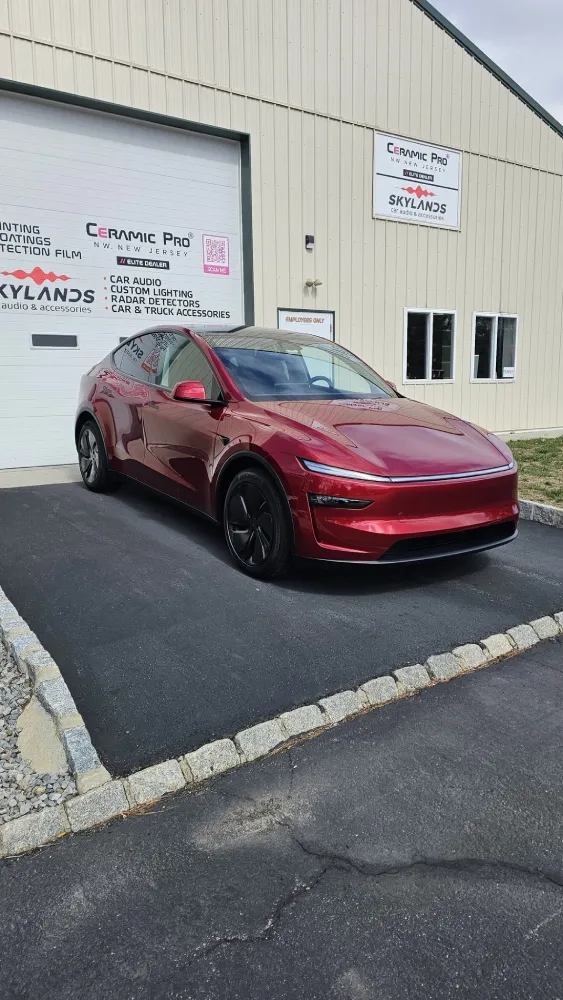
Yes. Window tinting can make driving on hot summer days significantly more comfortable by reducing interior heat, blocking harmful UV rays, and minimizing glare from the sun. Professionally applied tint films help keep the cabin cooler while protecting both passengers and the vehicle’s interior from sun damage.
For many drivers, especially those dealing with intense summer sunlight, window tinting becomes a practical upgrade that improves daily driving comfort and long-term vehicle care.
How Window Tinting Reduces Heat Inside Your Car
Heat buildup inside a parked or moving vehicle mainly comes from solar radiation passing through the glass. When sunlight enters through windows, the interior materials absorb that energy and release it as heat. This creates the well-known greenhouse effect inside a car.
Professional window tinting helps control this process by adding a thin protective film to the glass. According to information provided by Owen’s Auto Detailing, tint films are designed to reduce glare, heat, and harmful UV radiation while improving overall comfort inside the vehicle.
Types of Solar Energy That Enter Your Vehicle
Not all sunlight affects your car in the same way. There are three main components.
- Visible light
- Infrared radiation, which produces most of the heat
- Ultraviolet radiation that contributes to interior fading and skin exposure
Window tinting works by filtering these elements before they enter the cabin.
How Window Tint Blocks Heat
Tint films help reduce cabin temperature through several mechanisms.
- Reflecting a portion of solar energy away from the glass
- Absorbs part of the heat before it enters the cabin
- Reducing the greenhouse effect that traps warm air inside
- Limiting the amount of sunlight that reaches interior surfaces
Because of these effects, drivers often notice that the dashboard, steering wheel, and seats remain cooler even after the vehicle has been parked in direct sunlight.
Average Comfort Improvements
Drivers typically notice several practical benefits after installing window tint.
| Factor | Without Tint | With Professional Tint |
| Interior heat buildup | High | Significantly reduced |
| Glare from sunlight | Strong | Lower glare |
| UV exposure | Higher | Reduced |
| Cabin comfort | Less consistent | More comfortable |
These improvements are one reason why many people consider window tinting a comfort upgrade rather than just a visual modification.
Key Comfort Benefits During Summer Driving
When temperatures rise, even short drives can become uncomfortable without proper sun protection. Window tinting addresses several common problems drivers face during the hottest months.
Reduced Interior Heat
A cooler cabin is one of the most noticeable benefits.
- Seats remain more comfortable when entering the vehicle
- Steering wheels stay cooler to the touch
- Air conditioning does not need to work as hard
- Interior materials absorb less heat during parking
Many drivers exploring window tinting solutions report that summer driving becomes much more manageable once heat transfer through the windows is reduced.
Glare Reduction for Safer Driving
Glare from direct sunlight or reflective surfaces can strain your eyes and reduce visibility. Window tint helps soften intense light, allowing drivers to maintain clearer vision on bright roads.
| Driving Situation | Without Tint | With Tint |
| Midday sun | Harsh glare | More balanced light |
| Sunset driving | Strong reflections | Improved clarity |
| Bright highways | Eye fatigue | Reduced strain |
Lower glare improves comfort during long drives and helps drivers maintain better focus.
Protection From Harmful UV Rays
One of the most important but often overlooked benefits of New Jersey window tinting is UV protection.
Tint films can significantly reduce exposure to ultraviolet radiation. This helps protect passengers while also preserving interior materials such as dashboards, upholstery, and trim.
Over time, excessive UV exposure can cause fading, cracking, and discoloration in vehicle interiors. By limiting the penetration of sunlight, tint helps extend the life of these materials.
Different Types of Window Tint and Their Cooling Performance
Modern window tint technology has evolved significantly over the years. Different film types offer varying performance levels depending on their engineering.
Window Tint Technology Comparison
| Tint Technology | Heat Reduction | Glare Reduction | Durability |
| Dyed Film | Moderate | Good | Standard |
| Metalized Film | High | Good | Durable |
| Carbon Film | High | Excellent | Long lasting |
| Ceramic Film | Very High | Excellent | Advanced durability |
Some advanced tint films use nanotechnology to improve infrared heat rejection while maintaining clear visibility through the glass.
Choosing the Right Option
Drivers usually prioritize different features depending on their needs.
- Maximum heat rejection for hot climates
- Strong glare reduction for highway driving
- Clear visibility for day and night driving
A professional installer can help evaluate the best option based on driving habits and comfort goals.
Additional Benefits of Window Tint Beyond Temperature Control
While heat reduction is the most obvious advantage, window tinting also offers several additional benefits that improve everyday vehicle use.
Protecting Your Vehicle’s Interior
Tint films help shield interior materials from constant sun exposure.
- Prevents dashboard fading
- Reduces upholstery discoloration
- Protects interior plastics from cracking
Because sunlight can degrade materials over time, reducing UV exposure helps maintain the vehicle’s appearance longer.
Improved Driving Comfort
Lower interior temperatures allow the air conditioning system to cool the cabin more efficiently. Drivers often notice that the vehicle reaches a comfortable temperature faster after starting the engine.
| Factor | Untinted Windows | Tinted Windows |
| Cabin cool-down time | Longer | Faster |
| Interior temperature consistency | Less stable | More stable |
| Driving comfort | Lower | Higher |
These factors contribute to a smoother driving experience, especially during extended summer travel.
Applying Our Thermal Comfort Optimization Framework to Solve This
To better assess how window tint improves driving comfort, we developed a proprietary evaluation model, the Thermal Comfort Optimization Framework.
This system helps analyze how different tint strategies influence temperature, visibility, and long-term interior protection.
Step 1: Solar Load Assessment
The first step examines how much solar energy enters the vehicle through each window surface. Vehicles with larger glass areas experience greater heat gain during sunny conditions.
Step 2: Infrared Heat Rejection Strategy
Next, the framework evaluates how effectively different tint technologies block infrared radiation, which is responsible for most interior heat buildup.
The higher the infrared rejection, the cooler the cabin tends to remain.
Step 3: Glare and Visibility Balance
Comfort is not only about temperature. Drivers also need clear visibility during both day and night driving.
This step analyzes how tint shade and film technology balance glare reduction with safe visibility levels.
Step 4: Interior Protection Analysis
The final stage focuses on UV protection and interior preservation. Reducing UV exposure helps protect upholstery, dashboards, and interior panels from long-term sun damage.
Using this framework helps drivers understand how window tint in New Jersey improves comfort beyond its aesthetic appeal.
Common Myth: Darker Window Tint Always Means Better Cooling
One of the most widespread misconceptions about window tinting is that darker films automatically provide better heat reduction.
In reality, cooling performance depends more on film technology than shade darkness.
Why Darkness Does Not Equal Heat Rejection
Two tint films may look similar in color but perform very differently. Advanced films are engineered to block infrared heat and UV radiation more effectively.
This means a lighter film with advanced technology can outperform a darker film made with older materials.
Example Comparison
| Tint Example | Shade Darkness | Heat Blocking Ability |
| Light advanced film | Light | High |
| Dark basic film | Dark | Moderate |
Understanding this difference helps drivers make more informed decisions when researching window tinting providers.
Legal Considerations for Window Tint
Window tint laws vary by state. These rules typically control how much visible light can pass through vehicle windows.
Common regulations include:
- Maximum visible light transmission limits for front windows
- Restrictions for windshield tint coverage
- Specific rules for rear window tint levels
Before installing window tint, drivers should ensure the selected shade complies with their state requirements.
For example, drivers researching window tinting in New Jersey often review these rules carefully to stay compliant with local regulations.
In Summary
Window tinting is more than a cosmetic upgrade. It plays a significant role in improving driving comfort during hot summer days by reducing heat buildup, limiting glare, and protecting the interior from UV damage. By controlling how sunlight enters the vehicle, tinted films help create a cooler, more enjoyable cabin environment.
Drivers researching window tinting services in New Jersey often prioritize these comfort benefits, especially during long summer drives when interior temperatures can quickly rise. Businesses like Ceramic Pro NWNJ are among the providers offering solutions aimed at improving in-car comfort through advanced window tinting technologies.
If you want to learn more about professional window tinting and how it can improve your driving experience, contact us today.
People Also Ask
Does window tint actually reduce heat inside a car?
Yes. Window tint helps reduce interior heat by blocking infrared radiation and limiting the amount of solar energy that enters the vehicle through the glass.
Does window tint protect car interiors?
Yes. Tint films reduce UV exposure, which helps prevent fading and cracking of dashboards, seats, and interior materials.
Will window tint affect visibility at night?
High-quality tint films are designed to maintain clear visibility both during the day and at night while still reducing glare.
Is window tint only for appearance?
No. While tint improves a vehicle’s appearance, it also provides functional benefits, including heat reduction, UV protection, and improved driving comfort.