Ceramic coating provides a permanent or semi-permanent chemical bond to your vehicle’s paint, acting as a sacrificial layer of protection that outlasts traditional wax by several years. It offers superior resistance to UV rays, chemical stains, and scratches while providing an intense, hydrophobic gloss that makes cleaning your car significantly easier.
In the world of automotive care, owners are constantly seeking the best way to preserve that “showroom shine.” For years, we relied on carnauba waxes and synthetic sealants, but these topical solutions are at best temporary. Today, the industry has shifted toward nanotechnology. Ceramic coating represents a massive leap forward, moving away from temporary covers and toward a fundamental change in how your vehicle’s surface interacts with the world. Whether you are driving through the industrial corridors of New Jersey or parking under the intense sun, understanding the value of this technology is essential for long-term vehicle preservation.
Why It’s a Game-Changer: Protection vs. Traditional Methods
The primary reason ceramic coating is considered a game-changer is its molecular structure. Traditional wax sits on top of the paint like a thin layer of grease; it is easily stripped by heat, detergent, and friction. Ceramic coating, primarily composed of Silicon Dioxide (SiO2), creates a covalent bond with the factory clear coat.
When applied, the liquid polymer seeps into the paint’s microscopic pores. As it cures, it hardens into a glass-like shell. This shell is significantly harder than the factory clear coat, which is why it provides such high resistance to external elements. Finding the best ceramic coating in New Jersey often involves finding technicians who understand the molecular bonding process.
Comparison: Wax vs. Sealants vs. Ceramic Coating
| Feature | Carnauba Wax | Paint Sealant | Ceramic Coating |
| Durability | 1 to 3 Months | 4 to 6 Months | Multiple Years |
| Heat Resistance | Low (Melts) | Moderate | Very High |
| Protection Type | Topical Layer | Synthetic Layer | Chemical Bond |
| Maintenance | High | Moderate | Low |
For those specifically seeking New Jersey ceramic coating options, the choice often comes down to how much time you want to spend maintaining the vehicle. With a coating, the hydrophobic properties mean that water, mud, and grime bead up and slide off the surface. This self-cleaning effect ensures that your car stays cleaner for longer between washes.
The Science of Longevity: How Long Does It Really Last?
One of the most frequent questions car owners ask is about the product’s lifespan. While wax disappears after a few rainstorms, a high-quality ceramic coating is designed to last throughout your ownership if properly maintained. The longevity is determined by three main factors: surface preparation, the concentration of solids in the formula, and the curing process.
In a climate like New Jersey, where vehicles face road salt in the winter and high humidity in the summer, the coating acts as a shield against oxidation and corrosion. By preventing contaminants from reaching the paint, the coating ensures the underlying color remains vibrant and free from the faded look caused by sun damage. Many enthusiasts agree that investing in ceramic coating in New Jersey services is the most effective way to combat these local environmental stressors.
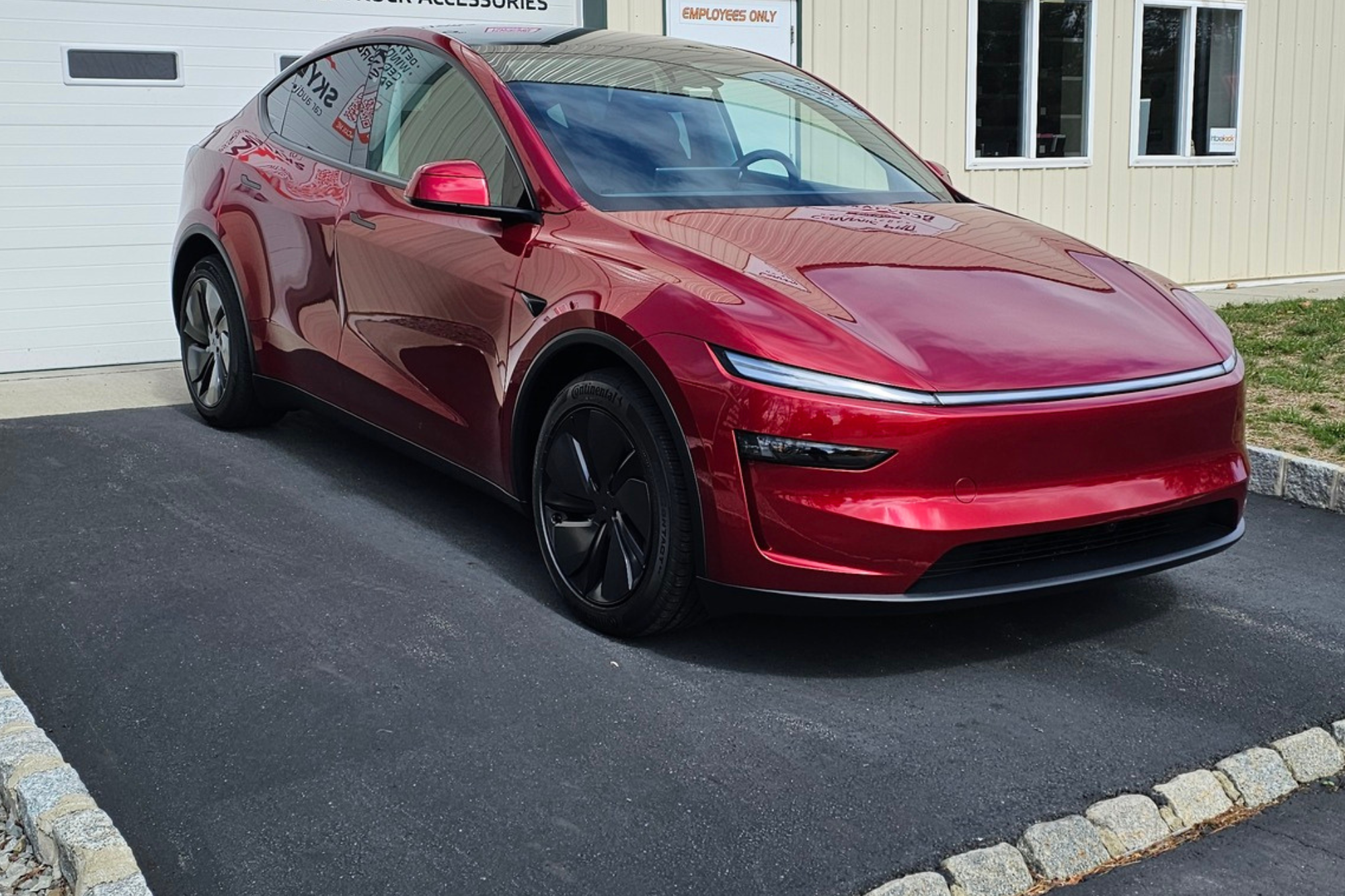
Debunking the Rock Chip Myth
Despite the incredible benefits of ceramic coatings, there is a common industry misconception that warrants addressing. Many marketing campaigns suggest that a ceramic coating makes your car “bulletproof” or completely “scratch-proof.”
The reality is that while ceramic coatings are harder than factory paint, they are not a suit of armor against physical impact. A coating will help prevent swirl marks caused by improper washing techniques or light contact with bushes, but it will not stop a rock chip flying at sixty miles per hour on the highway. It is a chemical and UV barrier, not a physical impact barrier. Understanding this distinction helps owners set realistic expectations for their vehicle’s defense system when searching for a ceramic car coating in New Jersey.
Factors That Shorten Coating Life
Even with high-quality applications, certain habits can degrade the protection faster than intended. If you want your coating to last the maximum amount of time, you must avoid the following:
- Automatic Brush Car Washes: These machines are essentially slap-and-scratch stations. The heavy brushes carry dirt from the previous fifty cars and grind it into your coating. Over time, this will abrade the ceramic layer.
- Harsh Chemicals: Using high-pH degreasers or stripping soaps can gradually weaken the coating bond. Always use a pH-neutral automotive shampoo.
- Abrasive Polishing: If you use a polishing machine on a ceramic-coated car, you will buff the coating right off. Coatings are meant to be the final layer; any further paint correction will require a re-application of the ceramic.
In Summary
Ceramic Pro NWNJ offers ceramic coating as a transformative solution for anyone seeking long-lasting protection and a consistently polished appearance. By creating a strong, permanent bond with surfaces, their ceramic coating shields against UV rays, chemicals, and minor abrasions, delivering durability that traditional waxes or coatings cannot achieve. While it cannot prevent damage from heavy impacts, it remains the most effective method to keep surfaces looking pristine with minimal upkeep.
Protect your surfaces today. Contact us to enjoy lasting shine and superior protection with professional ceramic coating.
People Also Ask (FAQ)
Does ceramic coating hide scratches?
No, ceramic coating is transparent and acts like a magnifying glass. If your paint has scratches or swirl marks, the coating will actually make them more visible. This is why professional paint correction is usually performed before the coating is applied.
Can I still wax my car after it is coated?
You can, but you shouldn’t. Wax does not bond well to ceramic coatings and will actually interfere with the coating’s hydrophobic properties. Instead, use a ceramic booster spray designed specifically to maintain the coating.
Is ceramic coating worth it for an older car?
Absolutely. While many people coat new cars, an older car can benefit immensely from the gloss enhancement and protection. As long as the paint is in good condition or can be repaired, a coating will help preserve what remains and prevent further aging.
How do I wash a ceramic-coated car?
The best method is a two-bucket hand wash using a pH-neutral soap. Because the surface is so slick, dirt will rinse off much more easily than on an uncoated car. Avoid using hard water when possible to prevent water spotting.