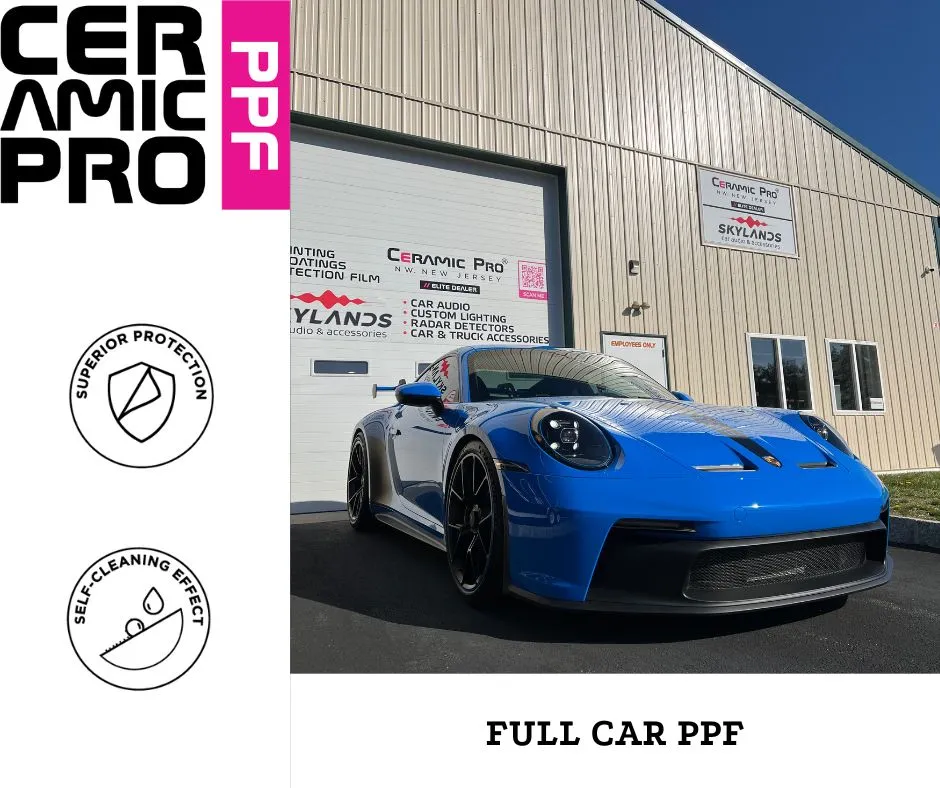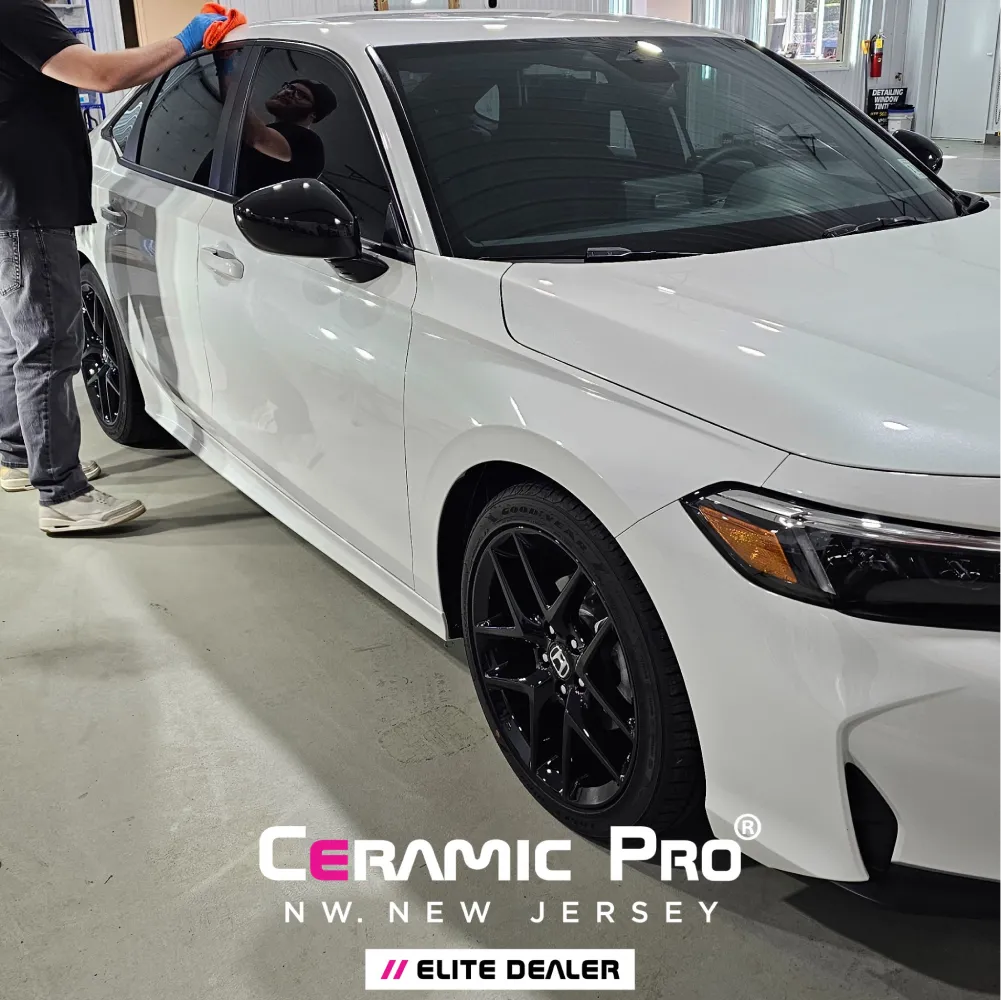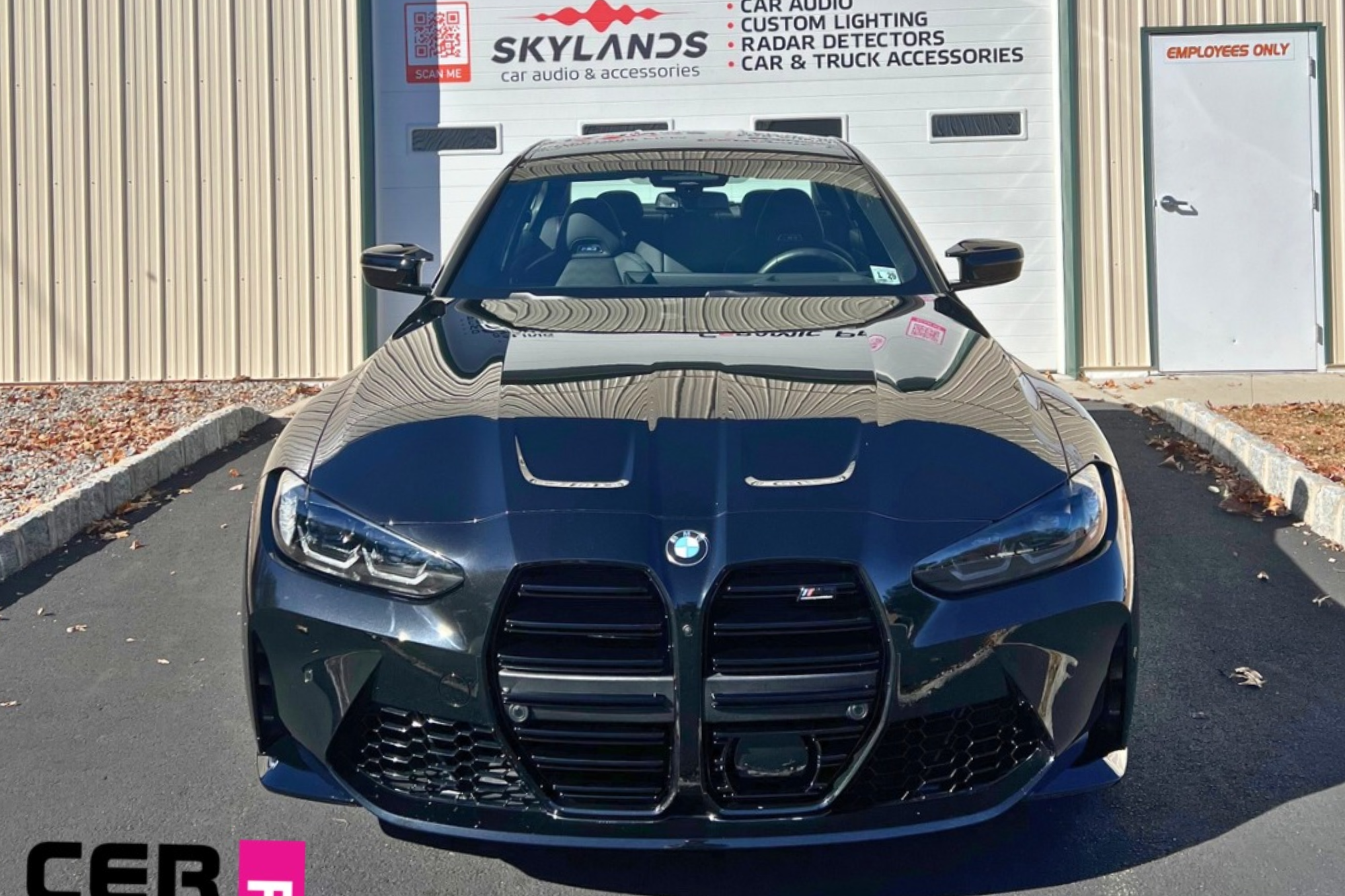
Applying Paint Protection Film (PPF) requires understanding that it is a high-grade thermoplastic urethane layer designed to shield your vehicle from rock chips, UV damage, and chemical stains. Before applying, you must ensure the paint is surgically clean and defect-free, as the film will encapsulate any existing imperfections. Choosing between a DIY kit and a professional installation often determines the product’s longevity and “invisible” finish.
The Fundamentals of Modern Paint Protection
Before diving into the process, you must recognize that PPF is a functional investment, not a mere cosmetic upgrade. Originally developed for military use to protect helicopter rotor blades from debris, the technology has evolved into a sophisticated automotive solution. It acts as a sacrificial barrier, using self-healing properties to erase light swirls upon exposure to heat.
Whether you are navigating a crowded neighborhood or highway construction, securing the highest-quality paint protection film in New Jersey ensures your vehicle remains resilient against harsh road salts and abrasive debris. The film’s ability to absorb the energy of a physical impact is what separates it from ceramic coatings or waxes.
Step 1: Decontamination and Surface Preparation
The most common error is assuming PPF hides existing damage. In reality, the adhesive layer acts like a magnifying glass, highlighting scratches, holograms, and “spider-webbing” once sealed under the urethane. This is why the preparation phase often takes longer than the installation itself.
Every professional-grade installation begins with a multi-stage decontamination. This includes:
- Chemical Decontamination: Removing iron particles and fallout that have embedded themselves in the clear coat.
- Mechanical Decontamination: Using a clay bar to lift stubborn contaminants, leaving the paint feeling smooth as glass.
- Paint Correction: Leveling the clear coat to remove swirls.
When sourcing PPF in New Jersey services, verify that the shop includes these steps as part of their standard preparation, as skipping them leads to premature lifting and visible dirt “specs” trapped under the film.
Step 2: Custom Plotting and Digital Precision
There are two primary schools of thought regarding how the film is cut: bulk-loading (hand-cutting) and plotter-cutting (using pre-designed templates).
Modern installations favor precision software that cuts the film to your vehicle’s exact specifications. During a recent project for a client in New Jersey, we utilized digital templates to ensure every parking sensor, headlight washer, and emblem remained functional and unobstructed. This digital precision eliminates the need for hand-cutting on the vehicle, thereby entirely eliminating the risk of accidental blade marks on your factory paint.
Step 3: The Wet Installation Technique
PPF is not like a sticker; it is a “wet-install” product. Installers use a specialized slip solution to float the film over the panel, allowing for exact alignment. This solution provides the lubricity needed to slide a large urethane sheet over a curved surface, such as a fender or hood.
Once positioned, a squeegee is used to evacuate the fluid and activate the pressure-sensitive adhesive. In a local neighborhood, environmental factors such as humidity, ambient temperature, and floating dust can ruin this stage. A climate-controlled “clean room” is essential for a bubble-free result, as even a single hair or dust mote will create a permanent “silver” bubble under the film.
Step 4: Stretching and Squeegee Mastery
The art of PPF lies in “reading” the film. Because car panels are rarely flat, the film must be stretched slightly, but not overstretched, to conform to deep recesses and complex curves. If the film is stretched too far, the adhesive can fail, leading to “stretch marks” or “tiger stripes.”
Technicians must manage the tension in the film while ensuring that no air or slip solution remains trapped. This requires a level of physical dexterity and patience that is rarely found in the DIY community.
Step 5: Curing and Edge Tucking
The final step involves “wrapping” the edges of the film around the back of the body panels. This technique ensures the film is invisible and prevents the edges from lifting during high-speed driving or pressure washing.
After the edges are set, the vehicle must sit in a controlled environment to allow the moisture to evaporate through the breathable urethane. If you are researching New Jersey paint protection film options, always ask if the installer “tucks” the edges or leaves them exposed at the panel gaps. Exposed edges are prone to collecting dirt, creating a black outline around the protected areas over time.
Long-Term Maintenance and the “Self-Healing” Myth
One of the most marketed features of PPF is its “self-healing” capability. While it sounds like science fiction, it is actually quite simple: the top layer of the film is a specialized polymer that returns to its original shape when heated.
However, “self-healing” does not mean “indestructible.” Deep gouges that penetrate the top layer will not heal. To maintain the film’s integrity:
- Avoid Abrasive Washes: Use a microfiber mitt and the two-bucket method.
- Remove Droppings Quickly: Bird droppings and tree sap are acidic and can etch the film if left in the hot sun.
- Seal the Film: Using a dedicated PPF sealant or a ceramic coating adds an extra layer of UV and chemical protection.
In our neighborhood, we often see vehicles that look years younger than their mileage suggests simply because the owners followed a basic hand-wash routine and kept the film clean.
The Financial Argument: Resale Value vs. Cost
A full-front PPF installation can cost as much as a high-end set of tires or a minor engine repair. However, the return on investment is found in the resale market. A car with “all original paint” and zero rock chips commands a premium price.
Furthermore, if you are leasing a vehicle, PPF protects you from “excessive wear and tear” charges at the end of the term. The cost of repainting a bumper at a certified body shop often exceeds the cost of the film itself, and repainted panels rarely match the factory texture perfectly.
Ceramic Pro NWNJ specializes in high-end surface protection and precision film application. We understand that your vehicle is more than just transportation; it is an investment.
Take the next step toward long-term protection and a flawless finish. Reach out to us now to schedule your consultation and explore premium coating and film options.
People Also Ask
How long does PPF last?
Professional films typically carry a 10-year warranty against yellowing, cracking, or peeling. When maintained correctly and kept out of extreme environmental conditions, the film can last throughout your ownership.
Can you apply ceramic coating over PPF?
Yes, and it is highly recommended. Applying a coating over the film adds hydrophobicity (water-beading) and chemical resistance, making the film much easier to clean and preventing stains from road tar or industrial fallout.
Does PPF protect against door dings?
While it is excellent for stone chips, road rash, and parking lot scratches, it cannot prevent the underlying metal from denting if the physical impact is heavy enough to deform the panel. It will, however, prevent the paint from cracking or chipping during that impact.
Is PPF better than a ceramic coating?
They serve different purposes. PPF is for physical impact protection (rocks, debris). Ceramic coating is for environmental protection (UV rays, chemicals, dirt). For the best results, use both.