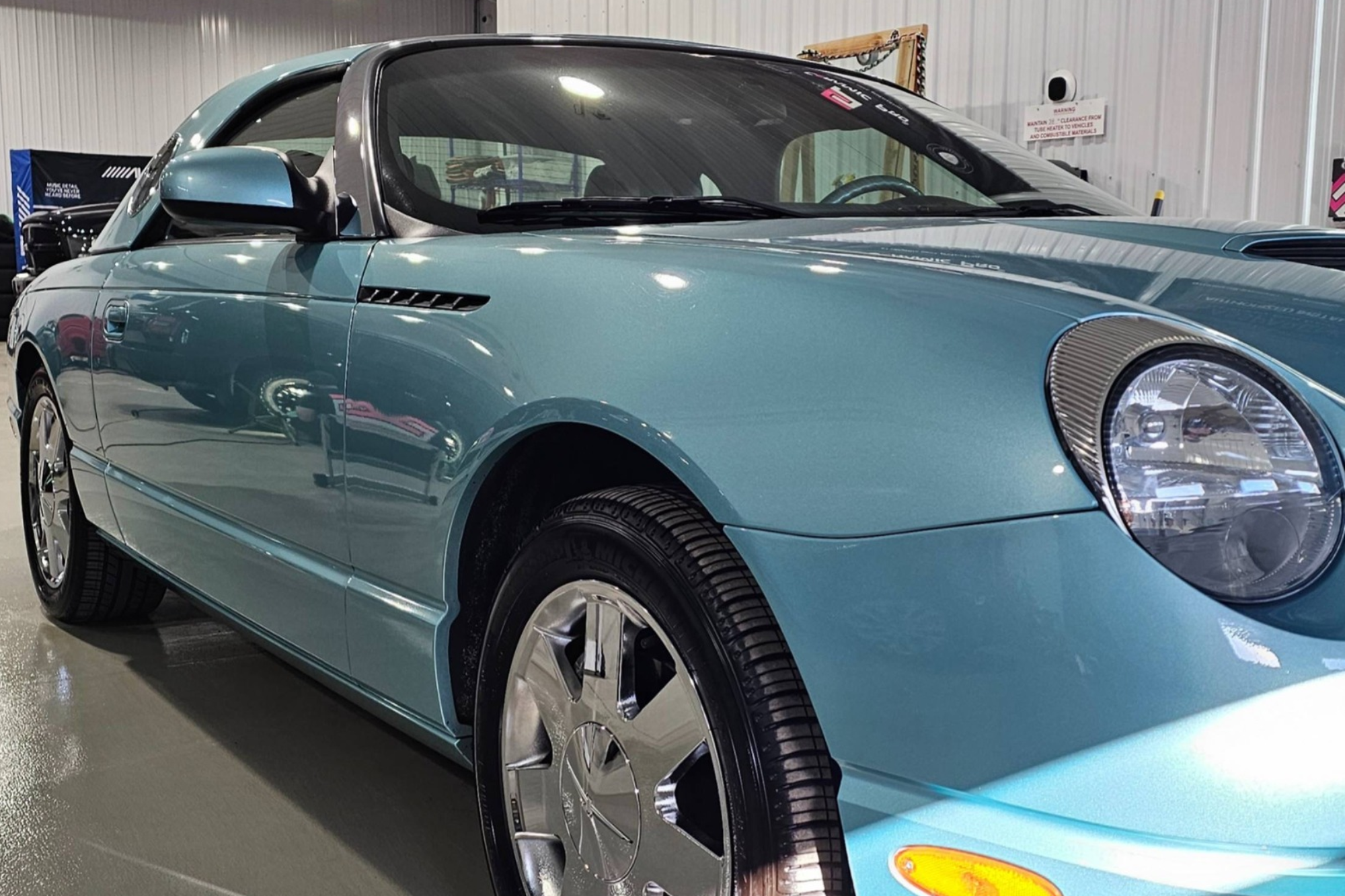
Paint Protection Film protects your vehicle by creating a strong transparent shield that blocks winter hazards like road salt, ice, sand, and chemical spray from contacting your paint surface. This barrier preserves your car’s finish and reduces the risk of corrosion and paint chips throughout the cold season. It is one of the most effective ways to maintain your vehicle’s appearance and value.
Why Winter Conditions Are Particularly Damaging to Vehicle Paint
Winter brings unique challenges for vehicles. The combination of road salt, sand, ice, and fluctuating temperatures exposes paint to aggressive wear that can compromise the clearcoat and underlying paint. In areas that use deicing chemicals heavily, the frequency and intensity of this damage increase further.
Salt is hygroscopic, which means it holds moisture longer than clean water. When road salt is sprayed onto vehicles, it can penetrate microscopic imperfections in the paint. Over time, this can lead to corrosion of metal beneath the finish. Driving through slush and backroads during a winter trip to a rural part of New Jersey, for example, often leaves cars caked in a mix of salt and grit that is difficult to remove without mechanical abrasion.
Ice scraping and snow brushes can create micro-scratches in the paint finish. As the vehicle flexes with freeze-thaw cycles, those minor imperfections develop into deeper chips. While frequent washing helps, it does not provide a barrier against the initial impact of debris or the chemical action of salt. PPF in New Jersey installations ensure that paint remains protected throughout the harshest conditions.
What Paint Protection Film Is and How It Works
Paint Protection Film is a thermoplastic urethane film that bonds to your vehicle’s paint surface. It acts as a sacrificial layer that absorbs impact from stone chips, road debris, and mechanical abrasion.
The Science Behind the Protection
PPF material is engineered to be tough yet flexible. Its main components include:
- A tough thermoplastic urethane layer that resists impact
- A top surface that repels water and dirt
- A pressure-sensitive adhesive that ensures secure bonding
- Optional self-healing properties that smooth out light scratches when heat is applied
The film’s transparency allows the original paint color and finish to show through without distortion. Self-healing characteristics mean that minor scratches or light marks on the film can often disappear when exposed to warm air.
When winter salt lands on the surface, it stays on the film rather than the paint. During a winter storm in northern New Jersey, many drivers found that rinsing salt off the paint protection film in New Jersey was significantly easier than trying to keep the bare paint clean. The salt blisters, etches, and stains that commonly form on unprotected paint are avoided because the film absorbs the first insult.
Comparing Paint Protection Film to Other Protection Methods
Below is a comparison that highlights how PPF performs relative to other paint protection options for winter driving:
| Protection Method | Protection Against Salt | Resistance to Chips | Long Term Durability | Maintenance Required |
| Paint Protection Film | Excellent | Excellent | High | Low |
| Coating or Sealant | Moderate | Low | Moderate | Medium |
| Wax or Traditional Sealant | Low | None | Low | High |
| Vinyl Wrap | Moderate | Moderate | Medium | Medium |
From this comparison, it is clear that Paint Protection Film delivers superior protection against winter conditions, especially in areas where road salt and debris are most aggressive.
Critical Areas of the Vehicle That Benefit Most from Protection
Certain parts of a vehicle are more exposed to the worst effects of winter driving. These include:
- Front bumper
- Hood edge
- Side mirrors
- Lower door edges
- Wheel arches
These zones are directly in the path of stones, salt spray, and road grit. Rock salt thrown up by tires on a commute through a snowy stretch in central New Jersey can be particularly abrasive to these areas. Drivers who invest in New Jersey paint protection film coverage notice fewer chips and less paint wear over time.
Step-by-Step: How PPF Shields Your Vehicle Through Winter
Preparation
Before installation, the vehicle’s paint is thoroughly cleaned and decontaminated. This removes any surface debris or microscopic particles that could interfere with the film’s adhesion.
Precise Application
PPF is cut to fit specific panels of the vehicle. Technicians use patterns that match the contours of modern vehicles so the film conforms without wrinkles or gaps.
Bonding
A pressure-sensitive adhesive layer bonds the film to the paint. This adhesive is strong enough to withstand harsh winter conditions but can be removed without harming the paint underneath when service life ends.
Ongoing Protection
Once installed, the film is always between winter hazards and the paint. As vehicles travel on snowy, salted roads, the layer of protection prevents the paint surface from direct contact with road salt and small debris.

Understanding Our Proprietary AutoShield Preservation Framework
One reason many drivers achieve consistent results with PPF protection is a systematic approach we call the AutoShield Preservation Framework. This method breaks the protection process down into strategic steps that ensure comprehensive coverage and maximum performance.
Step 1 – Risk Zone Identification
We begin by evaluating which areas of the vehicle are most at risk for winter damage. Typically, this includes front-facing panels and wheel well areas that bear the brunt of road spray and salt intake.
Step 2 – Strategic Film Placement
Rather than applying film haphazardly, we prioritize where protection will have the most impact. This ensures the PPF performs where it matters most, without unnecessary material waste.
Step 3 – Combining Hydrophobic Principles
The framework also addresses water and salt repellency. By configuring the film with a hydrophobic surface in mind, moisture has less dwell time on the surface. Drivers in New Jersey often see better shed-off performance during winter storms.
Step 4 – Maintenance Integration
Protection is only as effective as the ongoing maintenance that supports it. The AutoShield framework includes a winter care protocol that helps owners manage wash frequency, salt removal, and inspection routines.
By applying our proprietary language and methodology consistently, vehicle owners achieve predictable and measurable improvements in surface protection.
Debunking a Common Myth
A frequent misconception is that washing your vehicle often during the winter is enough to prevent paint damage. While regular washing does help remove salt and contaminants, it cannot prevent the mechanical impacts from stones and debris. Salt can also sit in microscopic imperfections in the paint even after a wash, potentially leading to corrosion over time. PPF tackles both chemical and physical threats simultaneously.
Best Practices for Maintaining PPF During Winter
To keep Paint Protection Film performing well during the worst winter conditions, follow these maintenance tips:
- Rinse off road salt regularly
- Avoid automatic car washes with abrasive brushes
- Use gentle, paint-friendly cleaning solutions
- Inspect edges and lift areas periodically
- If possible, warm the vehicle before washing to avoid brittle film in cold temperatures
These steps help keep the film clear and intact throughout the season.
In Summary
Winter and road salt pose significant threats to vehicle paint. Without a protective barrier, cars are vulnerable to chemical staining, corrosion, and paint chipping. Ceramic Pro NWNJ provides Paint Protection Film (PPF), a durable, transparent layer that shields a vehicle’s finish from these harsh elements. Using a structured approach, such as the AutoShield Preservation Framework, ensures protection is applied where it matters most. For drivers looking to maintain their vehicle’s appearance and value during harsh winter conditions, especially in areas with heavy salt use like New Jersey, PPF remains a highly effective solution. Contact us today to protect your vehicle before winter hits.
People Also Ask
What is Paint Protection Film, and how does it work in winter?
Paint Protection Film is a transparent film applied to your vehicle’s paint surface. It works by absorbing impacts and protecting against road salt, sand, and small debris that are common in winter conditions.
Does Paint Protection Film help prevent corrosion from road salt?
Yes. By preventing road salt from contacting the paint surface directly, Paint Protection Film reduces the chance that salt will penetrate and cause corrosion over time.
How long does PPF last under winter conditions?
PPF is designed to last multiple years. Its durability depends on driving conditions, maintenance, and the quality of installation.
Can Paint Protection Film be removed without damaging paint?
Yes. When properly installed and removed, the film peels away without damaging the paint beneath it.