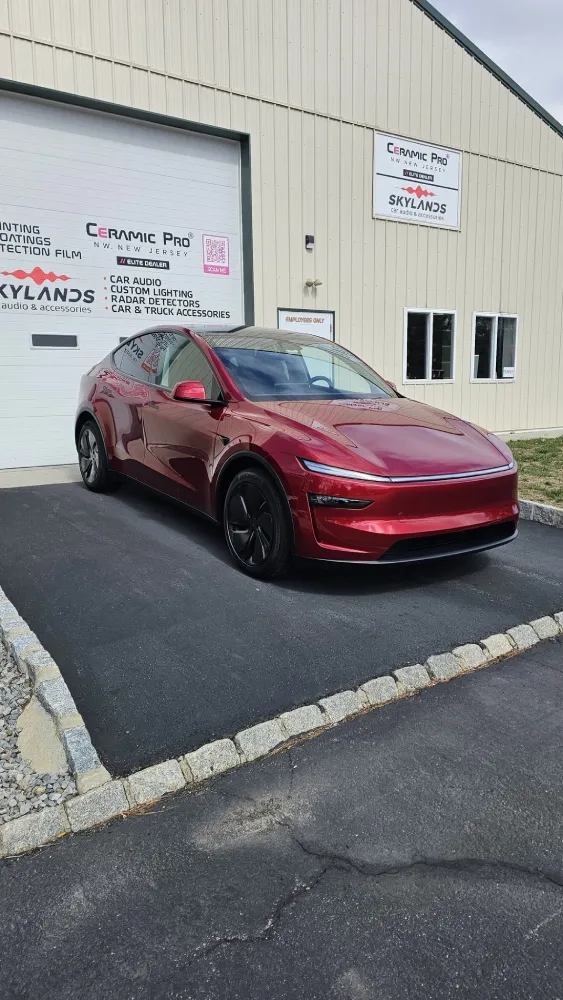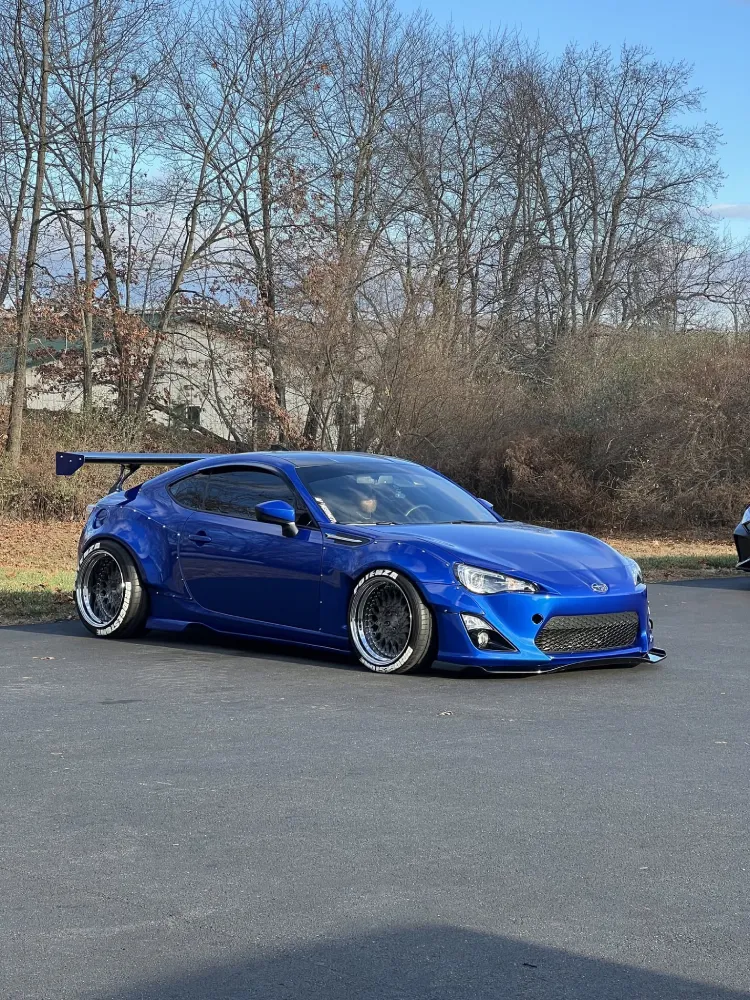
Ceramic coating typically requires 12–24 hours for an initial cure and anywhere from two to four weeks to fully cure. If the coating gets wet too soon, it can develop water spots, experience uneven curing, or show reduced hydrophobic performance. Protecting the vehicle from moisture during the first 24 to 48 hours is one of the most important steps in achieving long-lasting results.
Many vehicle owners invest in ceramic coatings to enhance gloss, simplify maintenance, and provide an additional layer of protection against environmental contaminants. However, the coating’s performance depends not only on proper application but also on proper curing. Understanding what happens during the curing process and how water exposure affects it can help you protect your investment and maximize the coating’s lifespan.
Understanding Ceramic Coating Curing
Ceramic coating curing is the chemical process that allows the coating to bond with the vehicle’s clear coat. Unlike waxes or sealants that sit on the surface, it undergoes a cross-linking reaction that creates a durable protective layer.
Many people assume a coating is fully protected once it looks dry. In reality, the coating continues to harden and strengthen long after the application process is complete.
Definition List: Key Ceramic Coating Terms
Flash Time
: The brief period immediately after application when solvents evaporate, and installers level the coating.
Initial Cure
: The first stage of hardening when the coating develops basic resistance to environmental exposure.
Cross-Linking
: The chemical bonding process responsible for durability, gloss retention, and water-repelling properties.
Full Cure
: The point at which the coating achieves its intended hardness, chemical resistance, and long-term performance.
How Long Does Ceramic Coating Take to Cure?
While cure times vary by manufacturer and installation conditions, most professional-grade coatings follow a similar timeline.
Ceramic Coating Cure Timeline
| Cure Stage | Typical Timeframe | What Happens |
| Flash Time | 1–10 Minutes | Solvents evaporate |
| Initial Cure | 12–24 Hours | Surface stabilizes |
| Early Cure | 2–7 Days | Durability increases |
| Full Cure | 2–4 Weeks | Maximum protection achieved |
Professional installers generally recommend keeping the vehicle dry for at least 24 hours and avoiding washing for approximately one week.
Factors That Affect Cure Time
- Ambient temperature
- Humidity levels
- Coating formulation
- Indoor versus outdoor storage
- Air circulation
- Infrared curing systems
Warmer temperatures and controlled indoor environments typically support more consistent curing. Excessive humidity or unexpected exposure to moisture may slow or interfere with portions of the curing process.
What Happens If Ceramic Coating Gets Wet Too Soon?
Water exposure during the curing period can create both cosmetic and performance-related issues. While minor exposure does not always cause permanent damage, the risk of defects increases significantly within the first day after installation.
Immediate Effects
When water contacts a fresh coating, minerals left behind during evaporation can become embedded as the coating continues curing. This often leads to spotting or surface inconsistencies.
Long-Term Effects
Potential issues include:
- Water spot formation
- Uneven gloss
- Reduced hydrophobic performance
- Surface contamination
- Additional correction work
Water Exposure Risk Comparison
| Time After Installation | Risk Level | Possible Outcome |
| 0–12 Hours | Very High | Water spots and cure disruption |
| 12–24 Hours | High | Uneven appearance |
| 2–7 Days | Moderate | Mineral deposits |
| Fully Cured | Low | Standard maintenance concerns |
The sooner water exposure occurs, the greater the likelihood of visible defects.
Common Sources of Water Exposure
Many vehicle owners think only rain presents a risk. In reality, several common sources of moisture can affect a fresh coating.
These include:
- Rainfall
- Lawn sprinklers
- Morning dew
- Automatic car washes
- Pressure washing
- Condensation in humid environments
Sprinkler systems are often particularly problematic because they frequently contain high levels of minerals that can leave stubborn deposits on a curing surface.
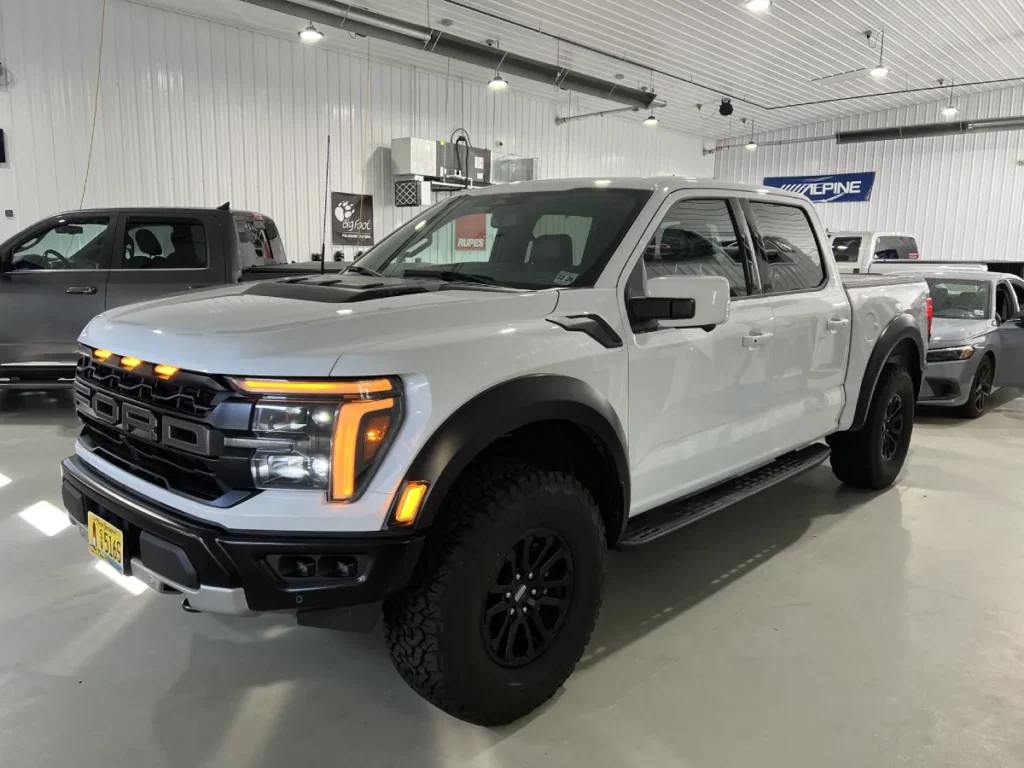
Real-World Installation Insights
One of the most common issues detailing professionals encounter occurs when a freshly coated vehicle is left outdoors overnight. Even light moisture can leave deposits that become difficult to remove once curing progresses.
A vehicle owner in Hoboken avoided water spotting by storing the vehicle inside a garage for two full days following installation.
Similarly, a customer in Jersey City maintained excellent results by following all aftercare instructions and delaying the first wash for one week.
In Newark, early exposure to irrigation water caused visible spotting that required additional correction.
Another vehicle owner in Montclair achieved outstanding long-term results simply by minimizing moisture exposure during the first few days.
These examples demonstrate that proper aftercare often plays a larger role in coating success than many people realize.
General Post-Installation Care Guidelines
Proper care after installation helps ensure optimal performance, durability, and finish quality. The following general guidelines support a smooth curing and protection period:
Key Care Practices
- Moisture Control – Limit exposure to rain, sprinklers, and standing water during the initial curing period.
- Curing Awareness – Understand that a surface may feel dry before it is fully cured.
- Contamination Prevention – Keep the surface away from dust, sap, bird droppings, and other environmental contaminants.
- Condition Monitoring – Check the surface periodically during the first several days for any visible changes.
- Mineral Deposit Prevention – Avoid prolonged exposure to hard water when possible.
- Proper Drying Response – If wet exposure occurs, dry the surface carefully following professional guidance.
- Delayed Washing – Avoid washing until the recommended curing period has passed.
- Follow Product Guidelines – Adhere to manufacturer or installer-specific maintenance instructions.
- Early Issue Reporting – Document and report any concerns as early as possible for proper assessment and correction.
These practices help maintain a stable curing environment and support long-term surface protection and appearance.
Ceramic Coating Environmental Considerations
When comparing New Jersey ceramic coating providers, it is important to ask about curing procedures, storage recommendations, and aftercare instructions. A high-quality installation process includes guidance on protecting the coating during its most vulnerable stages.
Environmental factors such as humidity, temperature fluctuations, and airborne contamination can all influence curing behavior. This is why professional installers often recommend indoor storage whenever possible.
Debunking a Common Industry Myth
Myth: Ceramic Coating Provides Full Protection Immediately
Many vehicle owners assume that the coating reaches maximum performance the moment installation is complete.
Reality: Protection Develops During Curing
Although the coating begins bonding immediately, full hardness and chemical resistance take time to develop. Treating a newly coated vehicle as though it is fully cured can increase the risk of avoidable defects.
Understanding this distinction helps set realistic expectations and encourages better aftercare practices.
How to Protect a Fresh Ceramic Coating
Following a few simple precautions can significantly improve long-term results.
Best Practices
- Store the vehicle indoors whenever possible.
- Avoid exposure to rain for at least 24 hours.
- Delay washing for approximately one week.
- Stay away from sprinkler systems.
- Remove contaminants promptly.
- Follow installer recommendations.
- Use pH-neutral maintenance products after curing.
These precautions help ensure the coating reaches its intended level of performance.
About Our Installation Philosophy
Many vehicle owners researching ceramic coating services in New Jersey options focus primarily on the coating product itself. While product quality matters, surface preparation and curing procedures are equally important.
At Ceramic Pro South West OH, we approach ceramic coating as a complete protection system. Every installation begins with proper inspection, decontamination, and paint preparation to create optimal bonding conditions.
Our team also emphasizes customer education. Understanding how to care for a coated vehicle during the curing process helps preserve gloss, durability, and hydrophobic performance for years to come.
Why Proper Curing Matters More Than Most Drivers Realize
People often evaluate ceramic coatings based on advertised durability or water-beading performance. However, those benefits depend on successful curing.
Many vehicle owners researching ceramic coating in New Jersey are surprised to learn that post-installation care can directly influence the final outcome. Even the highest-quality coating can experience issues if exposed to unfavorable conditions during the curing phase.
Protecting the coating for a few days can help deliver years of easier maintenance and enhanced appearance.
In Summary
Ceramic coating generally requires 12–24 hours for an initial cure and up to four weeks for complete curing. While early water exposure does not always cause permanent damage, it can lead to spotting, uneven curing, and reduced performance if not properly addressed.
The key to maximizing coating durability is to protect the vehicle during the first few days after installation and to follow the professional aftercare recommendations provided by Ceramic Pro NWNJ.
Ready to protect your vehicle with a professionally installed ceramic coating? Contact us today to learn more about our coating solutions, installation process, and long-term vehicle protection options.
People Also Ask
How long should ceramic coating stay dry after application?
Most professional installers recommend keeping the vehicle dry for at least 24 hours. Longer protection may be recommended depending on the coating used.
Can rain damage a newly applied ceramic coating?
Rain does not always damage a coating, but it can increase the risk of water spots and uneven curing during the early stages.
When can I wash my ceramic-coated vehicle?
Many manufacturers recommend waiting approximately five to seven days before the first wash.
What should I do if my coating gets wet too soon?
Follow your installer’s instructions. Prompt drying and inspection may help minimize spotting or contamination.
Does heat help ceramic coating cure faster?
Controlled heat can assist portions of the curing process, which is why some professional installers use infrared curing systems.